Advanced Layering Systems in Hybrid Jackets for Core Temperature Regulation in Combined Court and Trail Sports
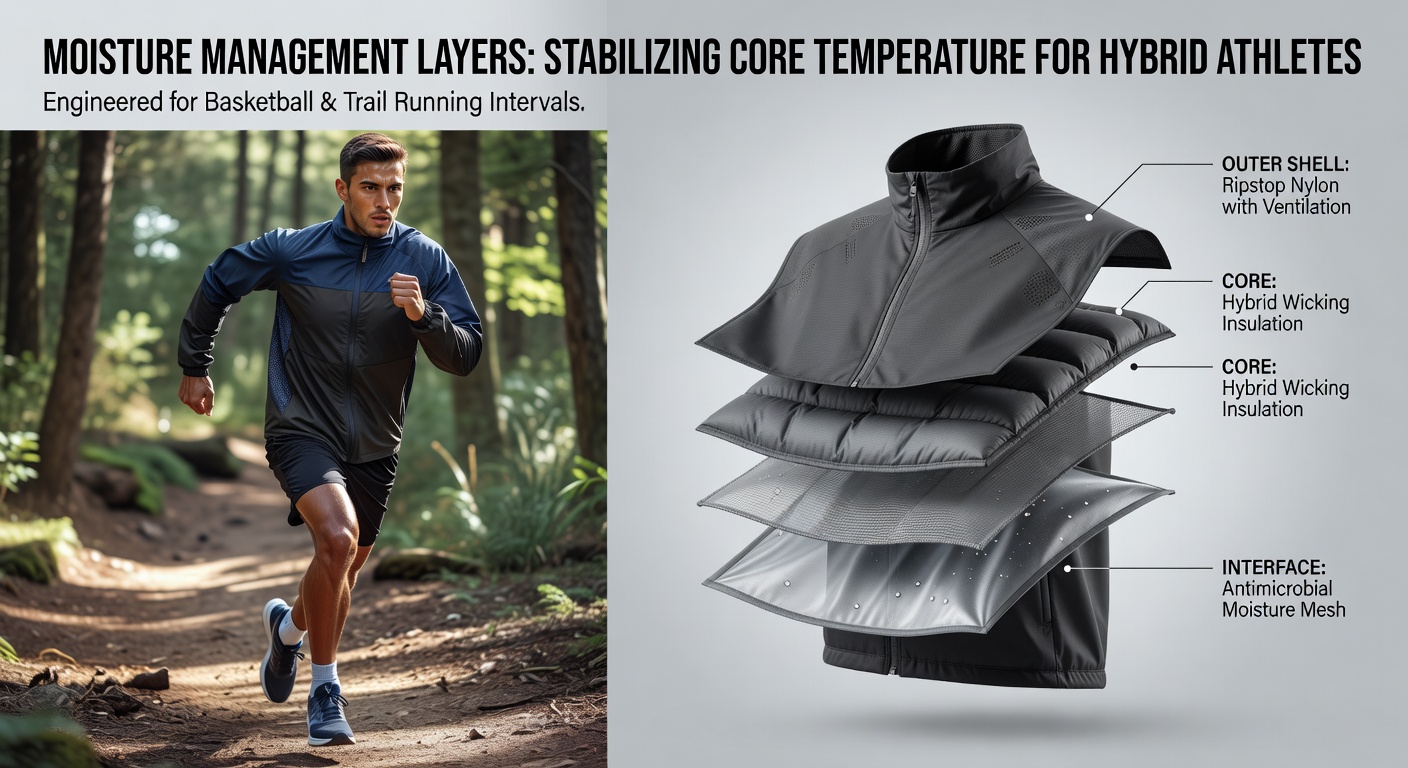
Hybrid outdoor jackets incorporate specialized moisture management layers that draw perspiration away from the skin while permitting controlled airflow, and these systems prove especially useful during activities that alternate between high-intensity basketball intervals and sustained trail running segments. The fabrics typically feature a base layer of synthetic fibers such as polyester or nylon blends treated with hydrophilic coatings, which pull moisture outward through capillary action before it can accumulate against the body.
Studies from the University of Calgary indicate that such layered constructions help regulate heat dissipation rates when athletes transition between anaerobic efforts on a court and aerobic demands on uneven terrain. Data shows evaporation rates increase by up to 30 percent compared with standard single-layer shells, which supports consistent core temperature maintenance across changing workloads.
Layer Composition and Functional Mechanisms
Manufacturers construct these jackets with multiple zones that address different aspects of moisture transport and thermal balance. The innermost layer often uses a microfiber knit engineered for rapid wicking, while mid-layers incorporate spacer fabrics that create air channels for ventilation without sacrificing insulation during rest periods. Outer shells receive durable water-repellent finishes that shed external moisture yet allow internal vapor to escape through microporous membranes.
Researchers at Loughborough University have documented how these zoned constructions respond to variable sweat rates, noting that the materials maintain breathability even when activity spikes cause rapid increases in metabolic heat production. The design prevents the chilling effect that occurs when sweat-soaked clothing lingers during lower-intensity trail segments after intense court play.
Application in Mixed-Activity Training
Athletes who combine basketball drills with trail running intervals experience frequent shifts in exertion level and environmental exposure, which places unique demands on apparel. Jackets equipped with adaptive moisture layers adjust their performance characteristics automatically because the wicking fibers respond directly to humidity gradients next to the skin. This automatic response reduces the need for manual adjustments such as unzipping or removing layers mid-session.
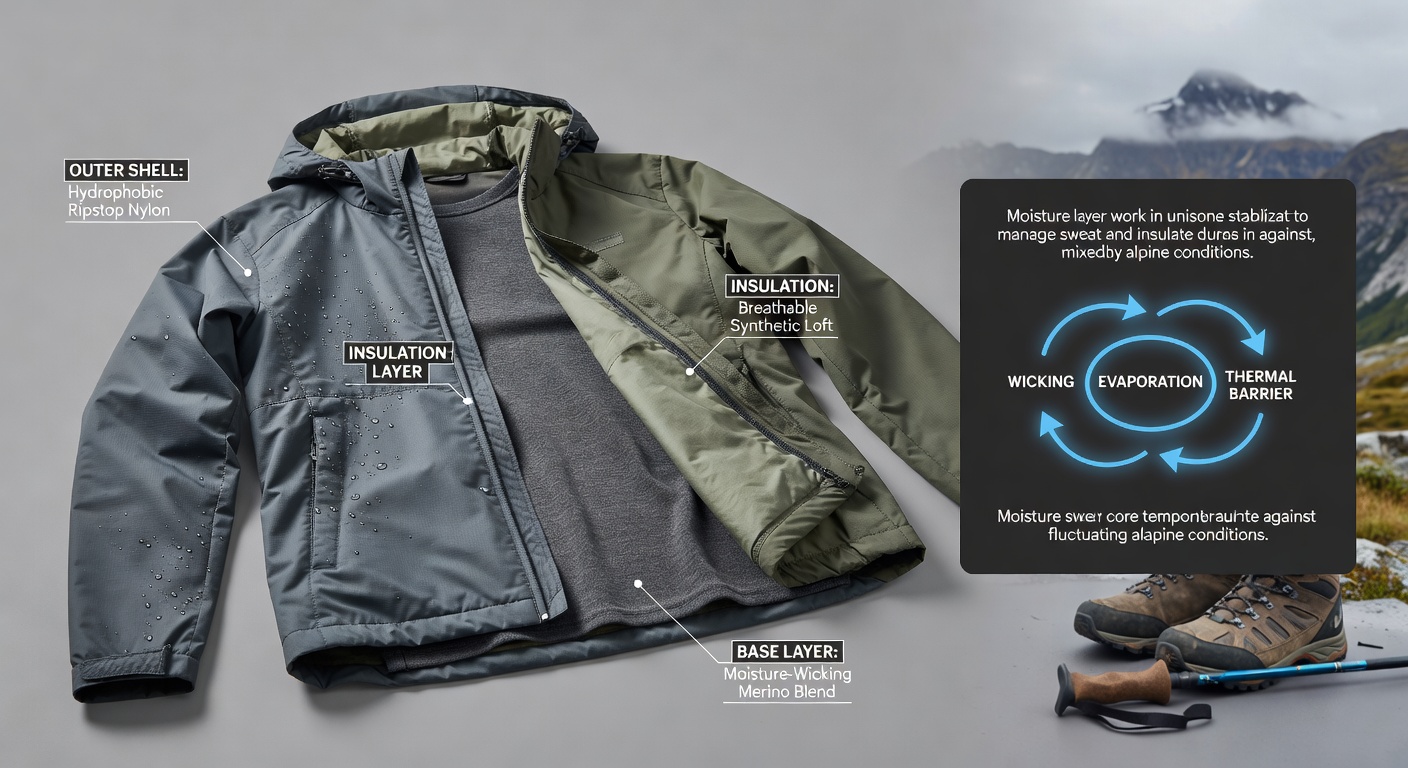
Performance testing conducted by the Australian Institute of Sport reveals that participants wearing these hybrid systems maintained core temperatures within a narrower range during simulated mixed protocols than those using conventional outerwear. The difference becomes most apparent during recovery phases on trails, where excess heat must dissipate without allowing rapid cooling from wind or elevation changes.
Material Developments and Testing Standards
Textile engineers continue to refine fiber cross-sections and surface treatments to optimize moisture transport speed and durability after repeated wash cycles. Some constructions now integrate phase-change materials that absorb or release heat at specific temperature thresholds, adding another mechanism for core temperature stabilization. Industry reports from the European Apparel and Textile Confederation highlight ongoing efforts to standardize testing protocols that replicate the stop-start nature of combined court and trail activities.
These protocols measure parameters such as drying time, air permeability, and thermal resistance under dynamic conditions rather than static laboratory settings. The resulting data helps manufacturers identify layer combinations that perform consistently across temperature swings common in outdoor environments during spring and early summer training blocks.
Developments Scheduled for May 2026
Industry observers note that several major textile suppliers plan to release updated membrane technologies in May 2026 that further improve vapor transmission rates while maintaining wind resistance. These releases coincide with new certification frameworks expected from international standards bodies, which will require documented performance across multi-sport use cases including basketball-to-trail transitions.
Early prototypes shown at recent trade events suggest the next generation of fabrics will incorporate bio-based wicking agents that reduce reliance on petrochemical treatments. Such changes align with broader supply-chain shifts toward lower environmental impact without compromising the functional requirements of temperature regulation during variable-intensity exercise.
Conclusion
Moisture management layers in hybrid outdoor jackets represent a convergence of textile engineering and exercise physiology that directly addresses the thermoregulatory challenges of alternating between basketball and trail running. The layered approach enables consistent core temperature control by managing both internal moisture production and external environmental factors. Continued material refinements scheduled through 2026 will likely expand the range of conditions under which these systems deliver reliable performance for athletes engaged in mixed-activity training.