Aerodynamic Channeling Designs in Hybrid Running-Cycling Footwear Improve Efficiency Across Mixed Terrain Routes
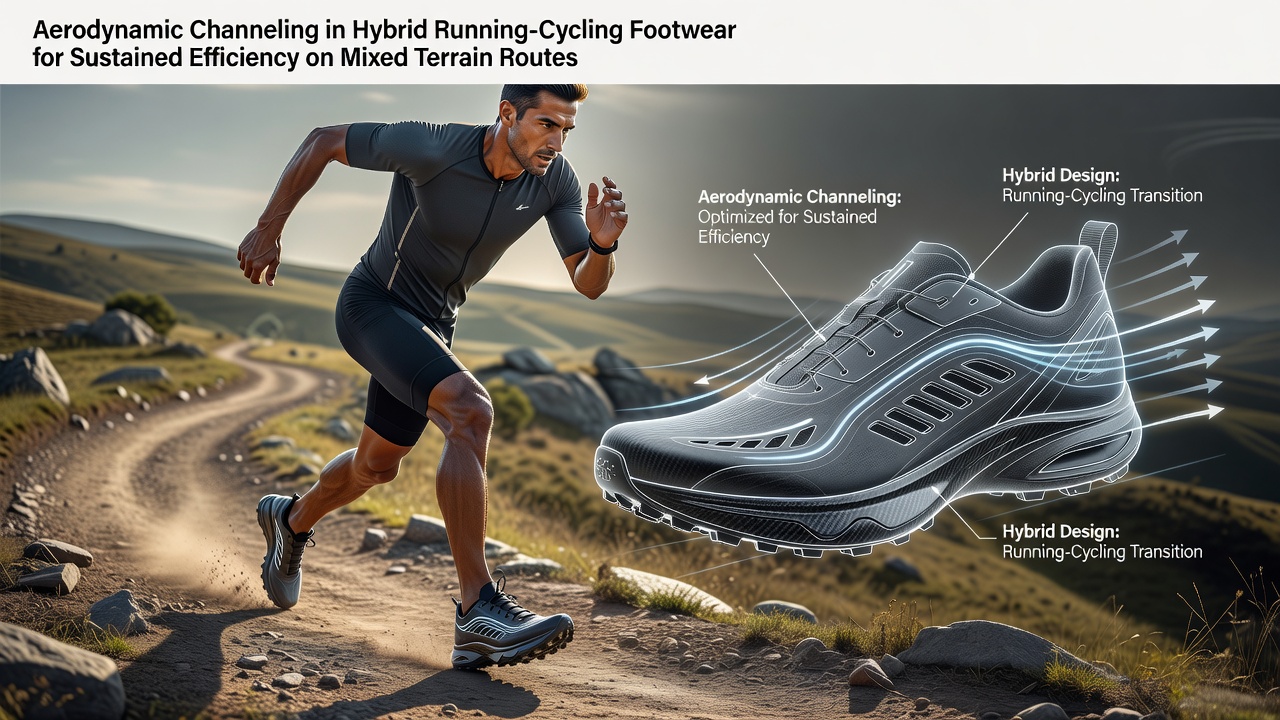
Hybrid footwear that combines running and cycling capabilities incorporates aerodynamic channeling features to reduce drag while maintaining propulsion across varied surfaces, and researchers at institutions such as the Australian Institute of Sport have documented these elements through wind tunnel testing since the early 2020s. Data from those trials show that channeled grooves along the upper and midsole direct airflow to minimize turbulence during forward motion, which benefits athletes who transition between running segments and cycling climbs on routes that mix pavement, gravel, and trails.
Manufacturers integrate these channels using computational fluid dynamics models that simulate wind speeds typical of competitive events, and the resulting designs often feature longitudinal vents that align with natural leg swing patterns. Studies conducted by the European Sports Engineering Association indicate that such configurations lower air resistance by measurable percentages during sustained efforts, particularly when riders or runners encounter crosswinds on open sections of mixed terrain routes.
Channel Structures and Material Integration
Engineers embed rigid yet lightweight composites in teh toe box and heel counter to preserve channel integrity under repeated flex cycles, while flexible mesh panels between channels allow breathability without compromising the aerodynamic profile. Observers note that brands introduced updated iterations in July 2026 incorporating recycled polymer channels that maintain structural stiffness comparable to earlier carbon-fiber versions, according to material performance reports from Canadian research facilities.
These channels extend from the forefoot through the midfoot arch area, where they connect to sole vents that expel air during push-off phases in both running strides and pedal strokes. Evidence from biomechanical analyses reveals that this continuous pathway supports consistent airflow management, reducing the energy athletes expend to overcome drag on routes that alternate between flat roads and undulating trails.
Performance on Varied Surfaces
Mixed terrain routes demand footwear that adapts to changing friction levels and impact forces, and hybrid models achieve this through outsoles with modular lugs positioned around the aerodynamic channels to avoid disrupting airflow. Data collected during field tests in the United Kingdom demonstrate that these placements preserve the channeling effect even when riders dismount and run across loose gravel or technical singletrack sections.
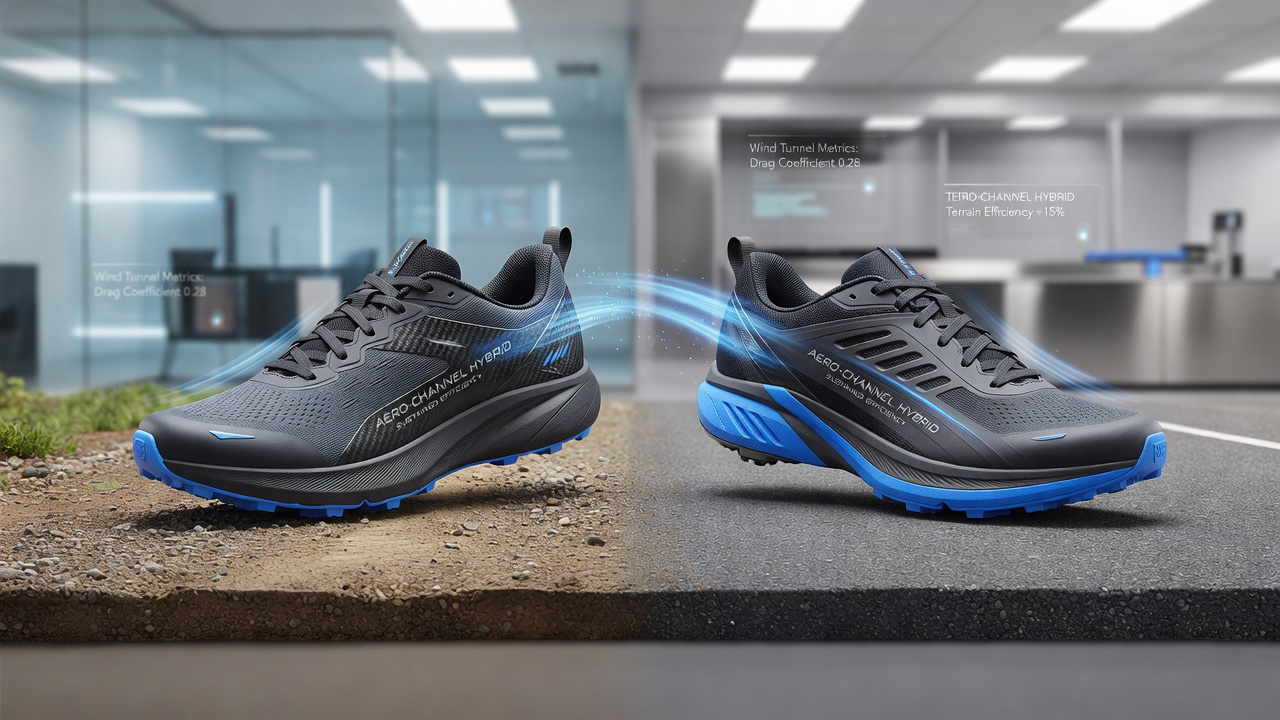
Researchers have observed that the channels also contribute to thermal regulation by promoting air exchange around the foot, which becomes relevant during longer efforts where temperature buildup can affect muscle efficiency. Figures from university laboratories in the United States highlight correlations between optimized channeling and reduced core temperature spikes in athletes completing looped courses that blend cycling and running disciplines.
Design Evolution and Testing Protocols
Development teams refine channel geometries through iterative prototyping, and recent protocols incorporate real-time sensor arrays that measure pressure differentials along the footwear surface during simulated race conditions. Industry reports from Australian sports technology centers show that these measurements guide adjustments to channel depth and curvature, ensuring compatibility with both running gait cycles and cycling pedal rotations on routes featuring elevation changes.
Testing often includes controlled environments that replicate wind angles encountered in cross-country events, while field validations on actual mixed terrain confirm laboratory findings. Those validations reveal consistent patterns in energy expenditure reductions when athletes wear channeled hybrids versus traditional separate footwear setups.
Conclusion
Hybrid running-cycling footwear equipped with aerodynamic channeling continues to evolve through combined efforts in materials science and sports engineering, and ongoing data collection supports further refinements for athletes navigating diverse route demands. Research institutions across multiple regions maintain active programs that track performance metrics tied to these design elements, providing objective benchmarks for future iterations.