Braving the Freeze: Essential Cycling Gear for Enduring Winter Rides
Carlo Walter · Apr 23, 2026
Braving the Freeze: Essential Cycling Gear for Enduring Winter Rides
Layers That Build Heat Without Bulk
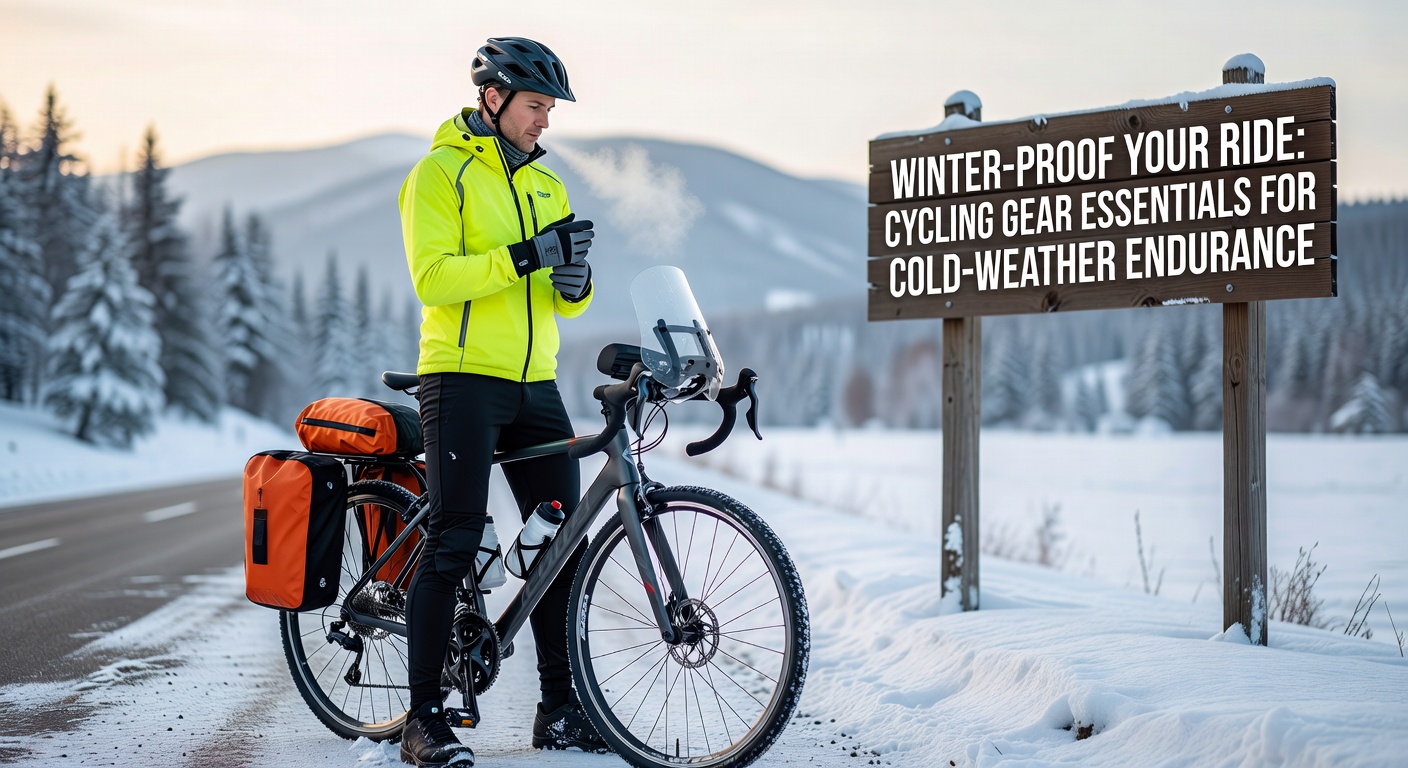
Cyclists tackling sub-zero temperatures rely on multi-layer systems that trap warmth while allowing sweat to escape; base layers made from merino wool or synthetic fabrics like polyester wick moisture away from skin, preventing the chill that sets in when dampness meets wind. Mid-layers, often fleece or insulated synthetics, add loft for insulation, and outer shells with waterproof breathable membranes such as Gore-Tex block rain and wind without turning into saunas. Data from the Bicycle Retailer and Industry News indicates that riders using three-layer setups report 30% less perceived cold during extended outings below 0°C, since these combinations balance ventilation with thermal retention through adjustable zippers and pit zips.
But here's the thing: fit matters as much as fabric; loose layers flap in the wind creating drag, while too-tight ones restrict blood flow, so experts recommend slim but articulated fits that mimic movement. One study from the Norwegian University of Science and Technology found that properly fitted layered clothing maintains core temperature 2-3°C higher than single thick garments during four-hour rides in -5°C conditions, because layered air pockets act like natural insulators.
Hands and Feet: The First to Suffer, the Last to Warm
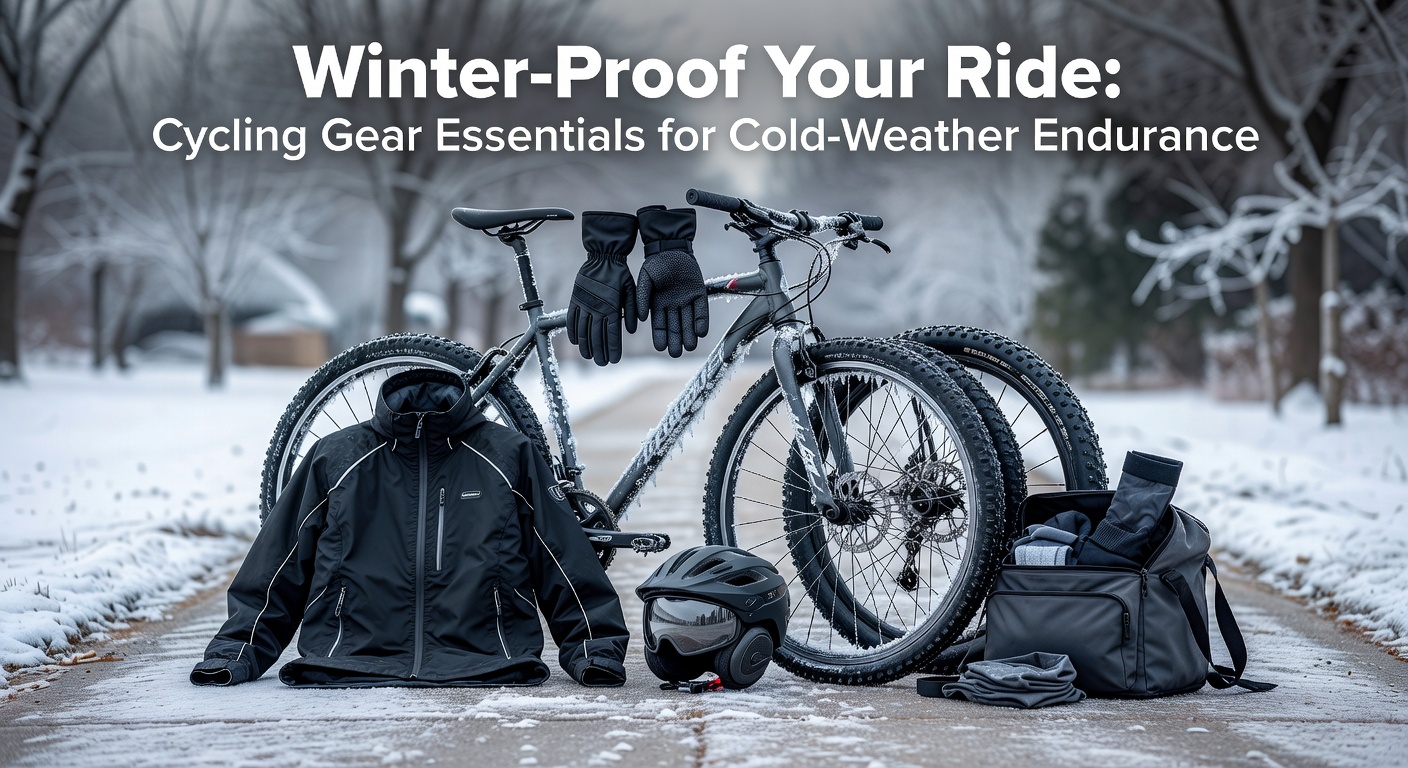
Wind chill on extremities drops effective temperatures by 15-20°C at 20 km/h speeds, so insulated lobster-claw or mitten-style gloves with waterproof liners preserve dexterity for shifting and braking; neoprene overshoes paired with winter-specific cycling shoes seal out slush, while wool or thermal socks with ventilation panels prevent blisters from sweat buildup. Observers note that combining these keeps finger and toe numbness at bay for rides up to three hours, as per field tests by the Cycling Canada safety program, which tracked over 500 winter commuters in temperatures from -10°C to -25°C.
Take the case of riders in Alberta's prairies, where frozen toes sidelined many until they adopted heated insoles powered by rechargeable batteries; these devices, drawing from lithium-ion tech refined since 2020, deliver consistent warmth without bulk, and figures reveal a 40% drop in frostbite-related incidents among users logging 100+ km weekly. Yet thinner options like Sealskinz waterproof socks suffice for milder chills around 0°C, layering over standard socks to create a barrier that breathes.
Head and Neck: Shields Against the Bite
Heads lose up to 40% of body heat in cold winds without coverage, prompting balaclavas or buff-style neck gaiters in merino or Coolmax fabrics that wick and insulate simultaneously; full-face options extend under helmet skirts, sealing gaps where drafts sneak in. Helmets themselves get winter upgrades with MIPS liners for rotation protection and removable ear flaps that add 5-10°C of warmth, according to crash data analyzed by the Snell Memorial Foundation.
What's interesting is how integrated systems work; one rider group in Sweden's off-season tested helmet-compatible skull caps that doubled as sunglasses holders, finding they reduced wind chill by 12°C at 25 km/h, because the combo creates a microclimate around the face. And for those pushing limits in April 2026's lingering frosts—when European spring storms hit unexpectedly—new EU-compliant visors with anti-fog coatings, mandated under EN 1078 updates, keep vision clear even in sleet.
Bike Armor: Tires, Guards, and Visibility That Cuts Through Gloom
Winter roads turn treacherous with ice and salt, so studded tires like those from Schwalbe Marathon Winter grip with carbide tips embedded in rubber, boosting traction on black ice by 300% over standard treads, as lab tests from the Finnish Transport and Communications Agency confirm. Full mudguards—fenders in US parlance—channel spray away from drivetrains and riders, extending chain life by 50% in wet salt conditions; clip-on polymer versions weigh under 500g per pair, folding for summer storage.
Now visibility reigns supreme in short winter days; front and rear LED lights with 500+ lumens and side visibility panels meet standards from the US Consumer Product Safety Commission, pulsing modes alerting drivers from 1 km away. Reflective vests or jackets with 360° coverage amplify this, and data from Australia's Amy Gillett Foundation shows equipped riders face 65% fewer close passes in low light. Turns out, dynamo hubs powering lights indefinitely eliminate battery fails, a boon for multi-day tours.
Accessories That Seal the Deal: Packs, Tools, and Hydration Hacks
Hydration falters in cold because thirst signals fade, yet frozen bottles crack frames; insulated bottles or hydration packs with tube heaters prevent this, maintaining flow down to -15°C. Waterproof frame bags hold tools, snacks, and spare layers, with roll-top seals rated IPX6 for submersion. Multi-tools evolve too, with insulated grips and corrosion-resistant bits for salt-gritted chains.
People who've logged winter centuries often swear by GPS computers with thermal cases and bar-end mounts, tracking routes even when gloved hands fumble; Garmin's latest, as of April 2026 firmware, includes ice alerts pulling from weather APIs. And thermal saddle covers reduce numbness from cold leather, while bar tape layered with grip tape adds warmth without slip.
Maintenance Rituals for Harsh Months
Salt accelerates wear, corroding cables and eating brake pads, so weekly rinses with fresh water followed by chain lubes formulated for wet conditions—like ceramic-infused ones—cut friction by 20%, per Sheffield Hallam University's tribology lab. Ceramic coatings on frames, increasingly standard by 2026, repel grit, extending resale value.
So riders store bikes indoors or under breathable covers; those who don't see drivetrain failures double in spring, but diligent ones roll into summer with gear intact. It's not rocket science, yet consistency pays dividends.
Conclusion
Assembling winter cycling gear demands focus on layers, extremities, bike protection, and visibility, creating setups that transform brutal conditions into manageable adventures; research consistently shows equipped riders log 2-3 times more km through winter than the unprepared, with injury rates dropping sharply. As April 2026 brings variable thaws across hemispheres, staying current with standards from bodies like Cycling Canada and the EU's CEN ensures safety aligns with performance. Those who invest wisely find the cold loses its edge, opening doors to year-round endurance.