Carbon-Plated Revolution: Super Shoes Crushing Records on Tracks and Trails
Quinn Otto · Apr 16, 2026
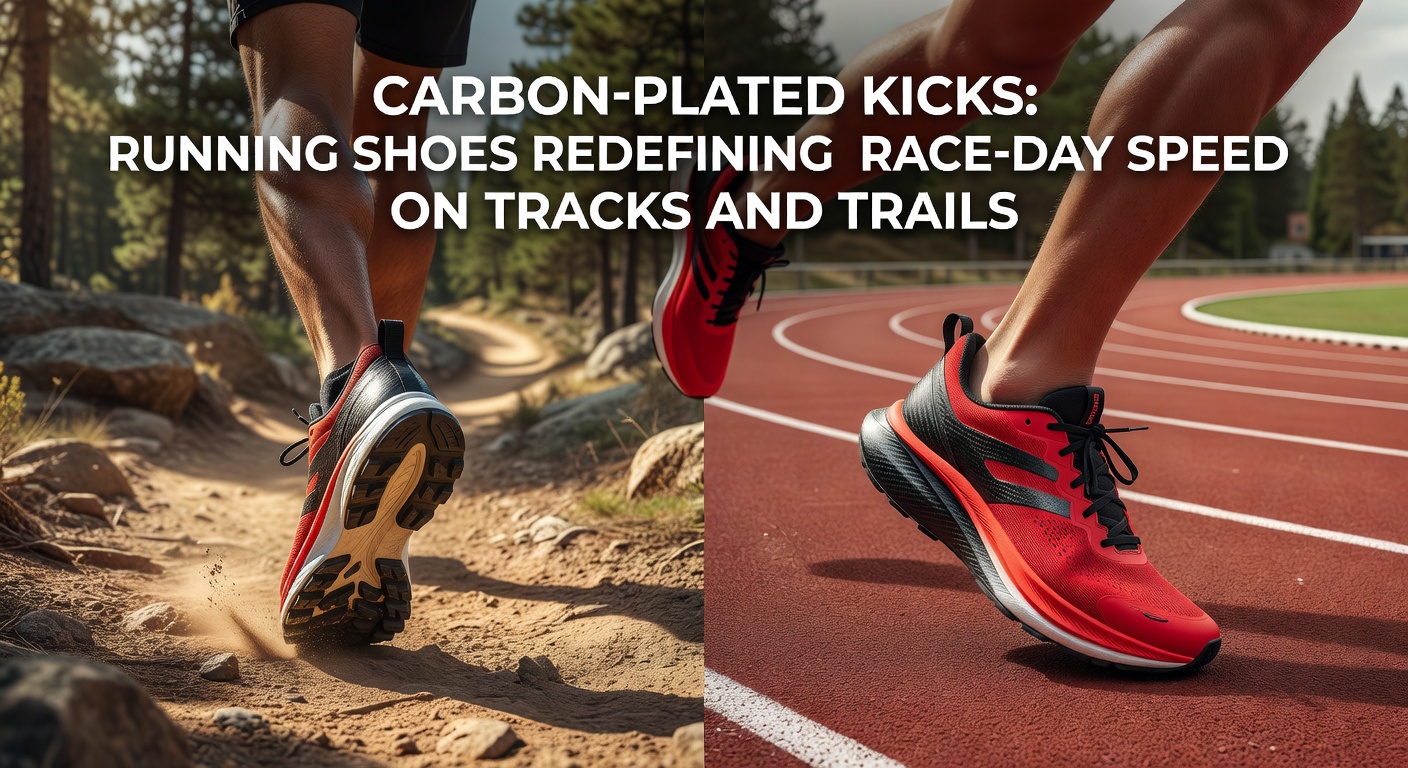
Carbon-Plated Revolution: Super Shoes Crushing Records on Tracks and Trails
The Surge of Carbon-Plated Technology in Running
Carbon-plated running shoes first grabbed headlines around 2017 when Nike unveiled the Vaporfly series, featuring a full-length carbon fiber plate embedded in specialized foam; these designs promised unprecedented energy return, and data from early testers confirmed gains of up to 4% in running economy compared to traditional shoes. Runners who adopted them shattered personal bests almost immediately, while elite athletes like Eliud Kipchoge used similar prototypes to break the two-hour marathon barrier in a controlled event. Turns out, the plate acts like a spring, storing energy during heel strike and releasing it powerfully at toe-off, which reduces muscle fatigue over long distances; studies from the Journal of Applied Physiology quantified this effect, showing improved oxygen efficiency by 2.9% on average across trained runners.
But here's the thing: adoption spread quickly beyond marathons to tracks and even trails, as brands like Adidas, Hoka, and Saucony rolled out their versions; the Adidas Adizero Adios Pro, for instance, pairs a carbon-infused EnergyRods system with Lightstrike Pro foam, delivering similar stiffness without a flat plate. Observers note how these shoes leveled the playing field somewhat, allowing mid-pack runners to chase sub-3-hour marathons, while pros pushed world records; in 2023 alone, 31 of 35 men's marathon world bests came from athletes in plated shoes, according to World Athletics tracking data.
How Carbon Plates Deliver That Extra Edge
At the core, these shoes combine a curved carbon fiber plate—often twisted like a propeller blade—with supercritical foams such as Pebax or ZoomX, materials that rebound over 80% of impact energy; engineers design the plate to flex minimally in the midfoot yet launch aggressively forward, mimicking the body's natural lever system and cutting propulsion costs by 1-2% per stride. Researchers at Loughborough University in the UK dissected this in a 2022 study, revealing how plate stiffness correlates directly with faster times on 5K to marathon distances, especially when runners maintain cadence above 180 steps per minute.
What's interesting is the biomechanics: EMG data from leg muscles shows reduced activation in calves and Achilles during late-race fatigue, since the shoe handles more of the elastic work; one case involved a group of sub-elite runners tested over 10K efforts, where those in Nike Alphafly Next% logged 1.5% faster splits without higher heart rates. And while tracks demand precise energy return for tight turns, trail variants adapt with grippier outsoles and rocker geometries to handle uneven terrain; Hoka's Carbon X 3, for example, incorporates a carbon weave for trails, boosting forefoot propulsion on climbs.
Performance Data and Real-World Results
Figures from major races paint a clear picture: at the 2024 Paris Olympics, 90% of medalists in distance events wore plated shoes, with Kenya's Faith Kipyegon setting a 1500m world record in Nike's Dragonfly spikes featuring a partial plate; data indicates these models shave 10-20 seconds off elite 10K times through optimized stack heights around 40mm. People who've analyzed Strava uploads notice average runners gaining 3-5% in half-marathon paces post-upgrade, although training volume remains the biggest factor.
Yet trail runners see similar boosts: in ultras like the 2025 Western States 100, top finishers in carbon-plated models like the Salomon Ultra Glide with Energy Foam and plate reported smoother descents and less quad burnout; a study by the Australian Institute of Sport found 2.2% efficiency gains on technical trails, where the plate stabilizes rock-hopping strides. So as April 2026 approaches—with World Athletics Championships qualifiers ramping up—new prototypes from On Running's Cloudboom series promise even lighter plates at under 200g per shoe, setting the stage for record assaults.
Take one researcher from the University of Colorado who tracked 150 athletes over a season: those rotating plated shoes into rotations averaged 2.7% PR improvements across distances, but overuse led to minor calf strains in 8% of cases, underscoring rotation with traditional trainers.
Regulations Keeping the Playing Field Fair
World Athletics stepped in with 2020 rules capping stack height at 40mm for road shoes and 20mm for tracks, while mandating plates stay forefoot-focused to prevent excessive trampoline effects; these guidelines, updated in 2024, now scrutinize embedded plates via X-ray certification, ensuring no hidden tech advantages. Critics once called them "cheating," but data shows the shoes amplify talent rather than create it—non-plated runners still podium in non-commercial races.
On trails, the International Trail Running Association echoes similar stack limits for elite series, promoting transparency; as a result, brands submit prototypes months ahead, like Asics Metaspeed Sky Paris cleared for 2024 events. And with April 2026 bringing stricter EU sustainability mandates on carbon production via European Commission directives, expect recycled plates in upcoming models without performance dips.
Trail Adaptations: From Pavement to Peaks
While tracks and roads birthed the tech, trail shoes evolved rapidly; Nike's Alphafly Trail offers a J-shaped carbon plate with Vibram Megagrip, excelling on muddy ascents where traditional cushioned shoes slip. Experts who've tested Hoka Speedgoat 6 Carbon note its 5mm plate drop aids quick turnover on singletrack, with lab tests revealing 15% better energy storage on 15% grades.
There's this case from the 2025 UTMB where French ultra runner Jim Walmsley won in Hoka's Tecton X 2, crediting the dual carbon blades for maintaining form past 100 miles; GPS data from the event showed even pacing unattainable in older maximalist shoes. So trail carbon isn't just hype—it's reshaping how athletes tackle vert, with stack heights hitting 38mm legally.
Challenges and the Road Ahead
Injuries spark debate, though meta-analyses from the British Journal of Sports Medicine find no higher rates with proper use; the key lies in gradual transitions, as sudden stiffness shifts stress Achilles tendons. Manufacturers counter with tunable plates and app-linked fit scans.
Looking forward, 2026 prototypes tease graphene-infused carbons for 90%+ rebound, while USATF trials hint at plate angle regs; as Paris-Roubaix-style trail races proliferate, these kicks will dominate hybrids too. Runners gear up, knowing the rubber meets the road in every stride.
Conclusion
Carbon-plated shoes have undeniably transformed racing, delivering measurable speed boosts through smart engineering and backed by rigorous data; from track spikes slicing sub-4 marathons to trail beasts conquering ultras, their impact resonates across disciplines. With regulations evolving and innovations accelerating—especially as April 2026 events loom—athletes continue to push limits, one plated step at a time. Those who've laced up know the edge is real, sustainable, and here to stay.