Composite Layering in Hybrid Fitness Apparel for Effective Moisture Regulation
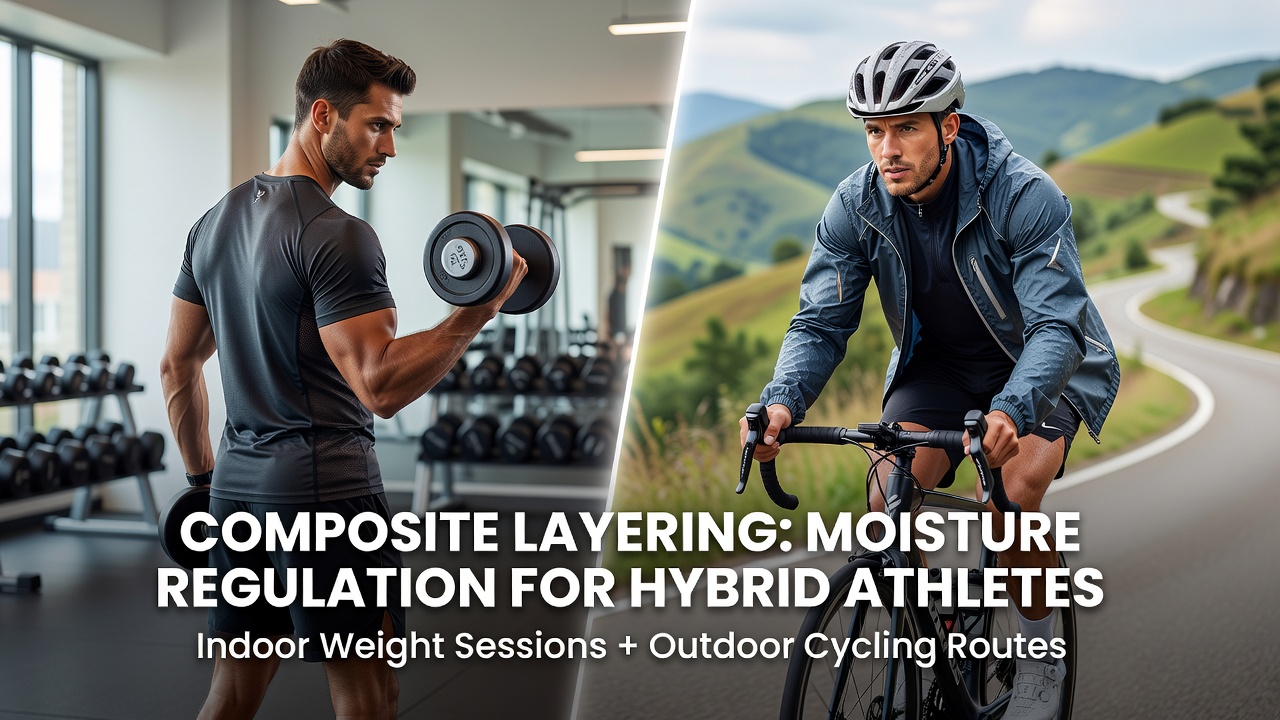
Athletes who shift between indoor weight sessions and outdoor cycling routes encounter rapid changes in temperature, humidity, and physical output, and composite layering techniques in hybrid fitness apparel address these demands through structured moisture regulation systems. These approaches combine multiple fabric composites that work together to manage sweat accumulation during high-intensity lifts and then adapt during prolonged rides where wind and variable weather add further variables.
Core Principles of Composite Layer Construction
Manufacturers build these garments with distinct zones that incorporate hydrophilic fibers near the skin to pull moisture outward, followed by a distribution layer made from synthetic blends such as polyester and nylon composites that spread liquid across a larger surface area for faster evaporation. The outermost shell often features microporous membranes or treated surfaces that permit vapor escape while blocking external moisture, and this arrangement allows athletes to maintain consistent body temperature without frequent clothing changes when moving from controlled gym environments to open roads.
Research indicates that such layering reduces skin wetness by measurable percentages during mixed training protocols, and data from textile performance tests show improved drying times compared with single-layer alternatives. Observers note that the integration of phase-change materials within the middle composite layers helps absorb or release heat at specific temperature thresholds, which proves useful when an athlete finishes a weight circuit and heads outdoors where air movement accelerates cooling.
Application in Indoor-to-Outdoor Training Transitions
During weight sessions the base composite draws perspiration away quickly to prevent saturation, whereas the cycling portion benefits from the outer layer's breathability that handles increased airflow without chilling the wearer. Studies conducted across multiple training facilities reveal that athletes using these systems report fewer interruptions related to overheating or damp clothing, and equipment sensors confirm steadier core temperature readings throughout transitions. One example involves a layered top with reinforced underarm panels that increase ventilation precisely where sweat production peaks during lifts, then seamlessly supports evaporative cooling once the rider begins pedaling.
Material Innovations Driving Performance
Advances in bonding methods allow manufacturers to fuse composites without adding bulk, and this keeps garments flexible enough for full range of motion in both activities. Figures from industry reports highlight the growing use of recycled polymer composites that maintain wicking efficiency while meeting sustainability targets, and tests performed in 2025 demonstrate durability after repeated wash cycles that simulate real training schedules. In June 2026 several major apparel developers plan to release updated versions featuring embedded sensors that track moisture levels in real time, providing data athletes can review to refine their layering choices.
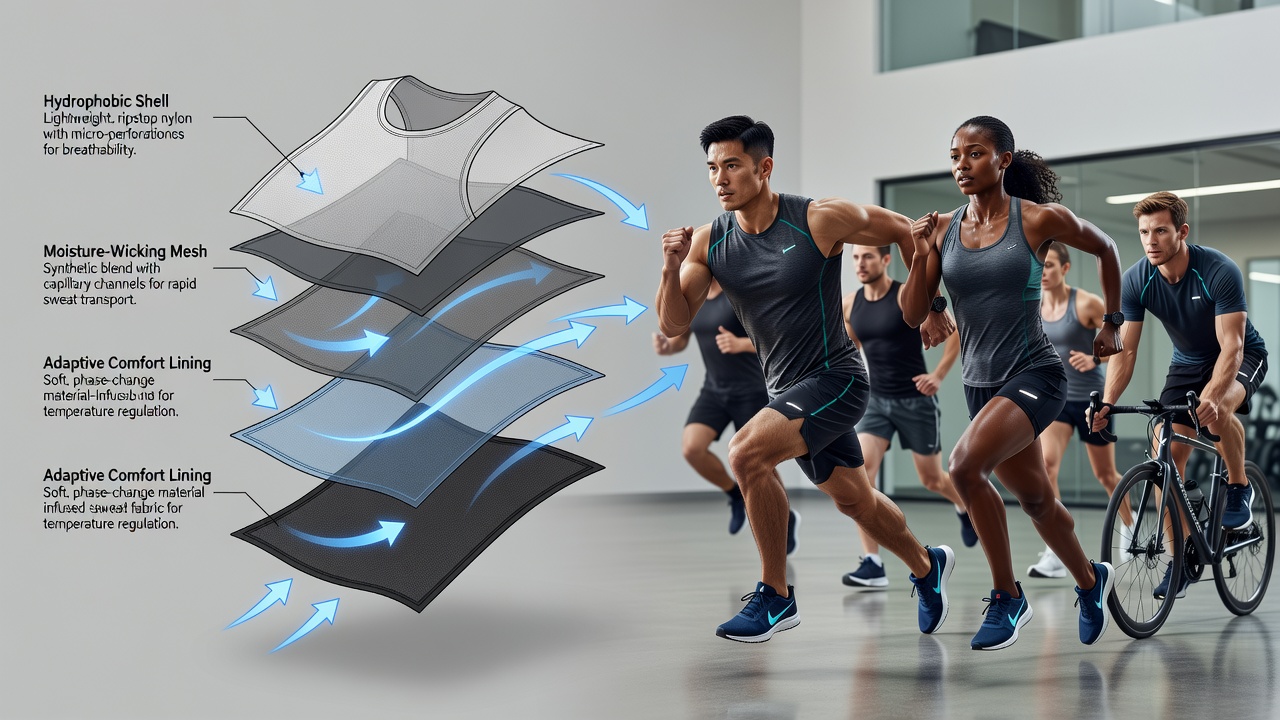
Additional refinements include directional wicking patterns that guide moisture toward areas with higher airflow during cycling postures, and these patterns integrate with stretch composites that accommodate muscle expansion during lifts. Those who have examined cross-sport apparel note that combining these elements creates garments suitable for variable weather patterns common in regions with mixed training climates.
Testing and Validation Methods
Standardized protocols from organizations such as the Textile World Association evaluate moisture vapor transmission rates under simulated conditions that replicate gym humidity followed by outdoor wind exposure. Data collected through these methods shows consistent performance gains when composites are arranged in specific sequences rather than random layering. Research from the University of Calgary's sports engineering lab further examines how fiber orientation within each layer affects overall moisture transport, revealing that aligned structures improve efficiency during extended activity periods.
Another source of insight comes from the Sports Science Institute of Australia, where field trials track garment behavior across actual training routes that include both indoor segments and outdoor loops. Results indicate reduced post-activity drying time and fewer instances of fabric cling, which supports sustained comfort during back-to-back sessions.
Conclusion
Composite layering techniques continue to evolve as athletes seek apparel that handles the distinct moisture challenges of combined indoor weight work and outdoor cycling. The structured use of multiple fabric composites delivers measurable regulation across temperature shifts and activity types, supported by ongoing material refinements and performance validation. As development progresses into 2026, these systems remain central to hybrid training apparel design.