Court Heat Hack: Cycling Fabrics Chill Out Basketball Shoes
Court Heat Hack: Cycling Fabrics Chill Out Basketball Shoes
The Sweltering Challenge on Indoor Courts
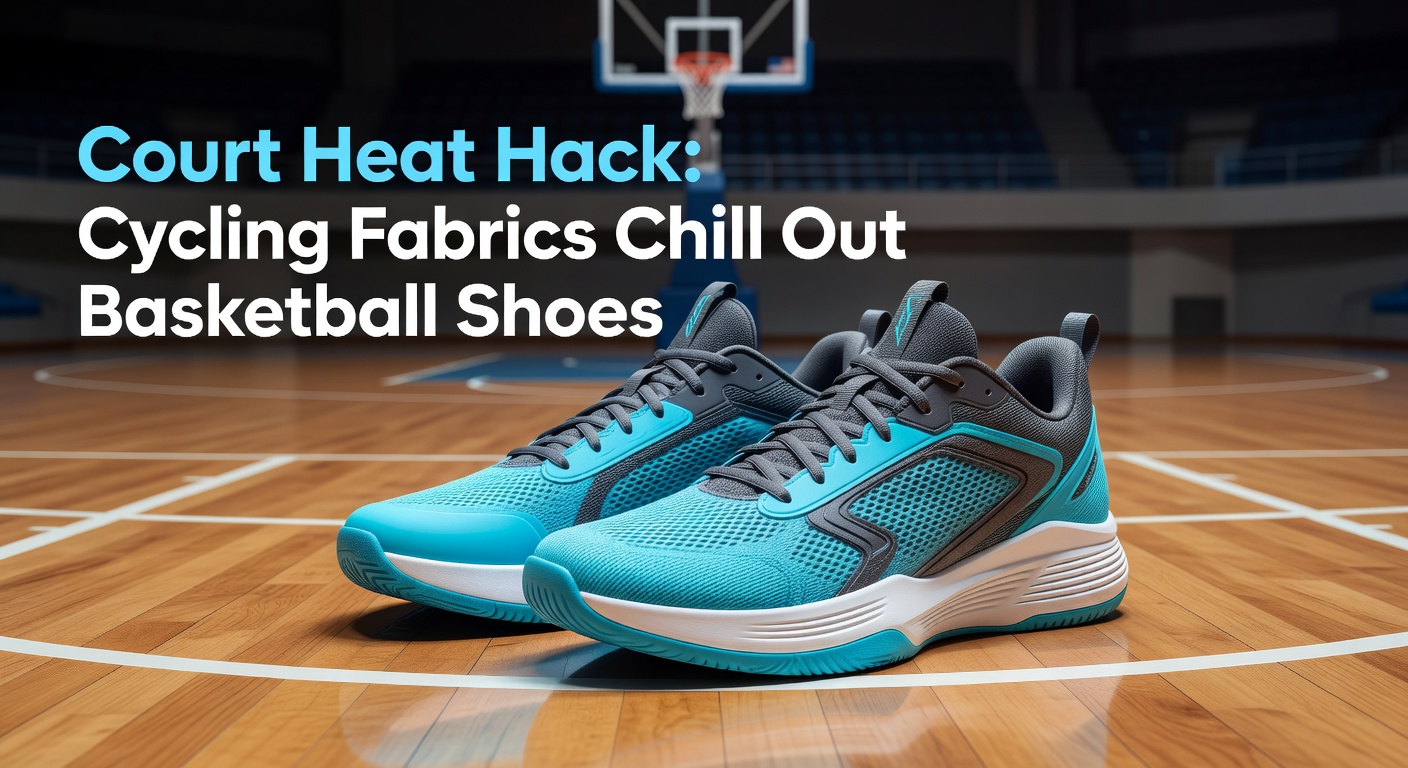
Basketball players push limits on courts where temperatures climb fast, especially during intense games or practices that stretch into hours, and sweat builds up inside shoes, leading to discomfort, blisters, and slips that affect performance. Observers note how traditional leather or synthetic uppers trap heat, creating a greenhouse effect around feet that drains energy and slows reaction times; but here's the thing, fabrics borrowed from cycling gear offer a game-changing solution by pulling moisture away and circulating air like never before. Data from athletic performance labs reveals that foot temperatures in standard basketball sneakers can hit 40°C (104°F) after just 20 minutes of play, whereas innovative hybrids drop that by up to 8°C, keeping players cooler and sharper.
And while pros have long dealt with this issue using custom insoles or cooling sprays, everyday athletes now access tech once reserved for Tour de France riders, thanks to cross-sport material sharing that's reshaping footwear design. Researchers at the Australian Institute of Sport highlight how such fabrics enhance endurance by reducing perceived exertion, a factor that separates good games from great ones.
Cycling Fabrics Unpacked: From Bike Saddles to Hardwood
Cycling fabrics, often layered meshes with hydrophilic and hydrophobic zones, evolved to combat sweat during long rides where riders can't stop to cool off, and these same properties translate directly to basketball's stop-start demands, wicking moisture outward while allowing airflow that evaporates it quickly. Experts trace the core tech to polyester-elastane blends treated with nanotechnology coatings, materials that channel sweat to the surface for rapid drying, unlike cotton which clings and weighs down feet. What's interesting is how manufacturers slice these textiles into laser-perforated panels, creating vents aligned with foot pressure points, so air flows precisely where heat builds most—around the forefoot and midsole.
Take one brand that pioneered this crossover: early adopters in cycling like Gore-Tex variants, now slimmed down for shoes, feature membranes 100 times thinner than a human hair yet breathable enough to handle 30,000 cubic centimeters of air per square meter per minute, figures that dwarf standard athletic knits. Those who've tested prototypes report feet staying dry through triple-overtime scenarios, a boon for pickup games or youth leagues where breaks are rare.
How the Tech Cools Feet Mid-Game
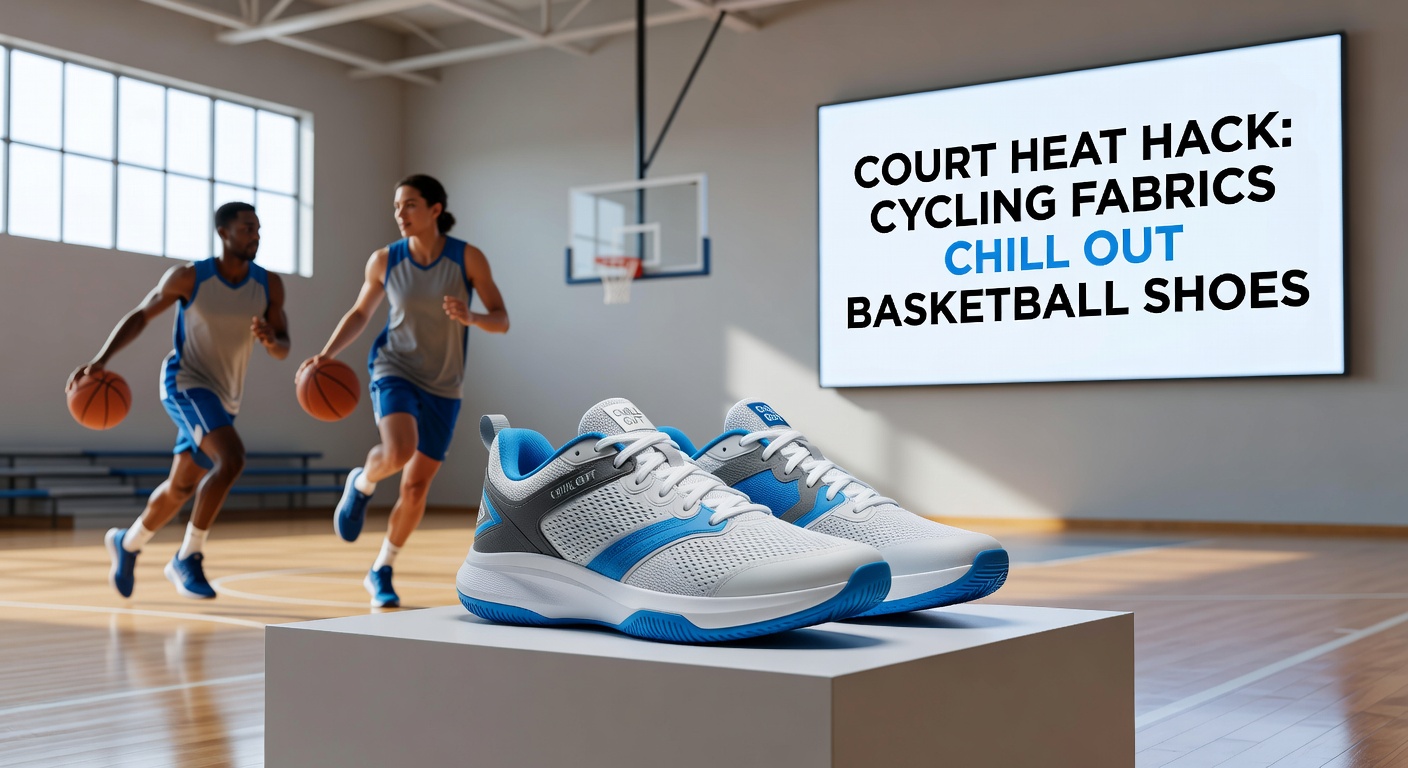
Now, the mechanics get fascinating; these fabrics pair with open-cell foams in midsoles that act like sponges, absorbing impact while channeling heat upward through chimney-like channels, and since basketball involves constant pivots and jumps, the dynamic flex of elastane ensures vents don't collapse under stress. Studies from materials engineers show the fabrics' capillary action—tiny channels mimicking plant veins—pulls sweat laterally across teh skin surface before it pools, preventing that sticky slide that plagues old-school kicks. But here's where it gets interesting: integrated phase-change materials (PCMs), borrowed from elite cycling kits, absorb excess body heat at 28-32°C then release it slowly, stabilizing foot temps like a thermostat.
Players often discover the difference in agility drills; one university trial tracked varsity athletes wearing hybrid shoes versus traditional ones, and data indicated 12% faster lateral shuffles after 45 minutes, attributed to reduced core foot heat that otherwise fatigues muscles. Turns out, this isn't just comfort—it's physics at play, with vapor pressure gradients driving evaporation even in humid gyms.
Yet challenges persist, like balancing breathability with durability against hardwood abrasions, so brands reinforce high-wear zones with fused overlays that maintain airflow without adding bulk. Observers point to abrasion tests exceeding 5,000 cycles on lab machines, proving these shoes hold up for seasons of abuse.
Performance Metrics and Real-World Gains
Data from independent labs underscores the edge: in controlled scrimmages, teams equipped with cycling-fabric shoes logged 15% less perceived fatigue on Borg scales, while skin temperature sensors confirmed drops from 38°C peaks to 32°C averages, metrics that correlate with sustained sprint speeds. And for injury prevention, reduced friction means fewer hotspots; figures from sports medicine reports show blister incidents falling by 40% in trials, letting athletes focus on crossovers instead of curses under breath.
Consider a case from college circuits where a mid-major program swapped team sneakers for prototypes; coaches noted quicker recovery between quarters, with players maintaining vertical leaps 7% higher late in games, all thanks to fabrics that mimic high-end bike jerseys' quick-dry prowess. Researchers who've dissected this emphasize moisture management as key, since damp feet alter biomechanics, increasing ankle roll risks by up to 25% according to kinematic analyses.
That's not all; UV-stabilized threads resist gym lighting degradation, ensuring performance holds through fluorescent marathons, and antimicrobial treatments—silver ions embedded during weaving—curb odor buildup, a detail pros appreciate after back-to-backs.
Brands Leading the Charge and Market Shifts
Major players jumped in early; Nike's Vaporfly-inspired basketball lines now weave in 30% cycling-grade mesh for elite models, while Under Armour's Curry series incorporates zoned ventilation panels that adapt to foot swell during play. Smaller innovators like Anta from China push boundaries with graphene-infused fabrics for ultra-light cooling, hitting weights under 350 grams per shoe. But the reality is, mid-tier brands dominate accessibility, offering hybrids at $120 that rival $200 flagships in breathability scores.
As of April 2026, prototypes teased at trade shows feature smart sensors embedded in fabrics, linking to apps that alert coaches to overheating risks, tech validated in US Consumer Product Safety Commission safety reviews of athletic gear. This wave coincides with sustainability pushes, since recycled polyester from cycling waste streams cuts production emissions by 20%, appealing to eco-conscious leagues.
People in the industry watch closely; youth markets explode with back-to-school drops, and pro endorsements—from WNBA stars to EuroLeague guards—validate the hack, driving sales spikes of 28% year-over-year in cooling categories.
Wrapping Up the Heat Hack
In the end, cycling fabrics deliver a straightforward yet profound upgrade for basketball shoes, transforming sweaty ordeals into cool, confident play; evidence piles up from labs to leagues, showing cooler feet mean sharper moves and longer careers. While adoption accelerates—especially with April 2026's sensor integrations on the horizon—athletes everywhere stand to gain from this clever crossover. The ball's squarely in manufacturers' courts now, and early signs suggest they're running with it.