Dynamic Textile Layers Revolutionize Insulation Control in Multi-Sport Apparel for Rapid Weather Changes
Iris Neumann · May 21, 2026
Dynamic Textile Layers Revolutionize Insulation Control in Multi-Sport Apparel for Rapid Weather Changes
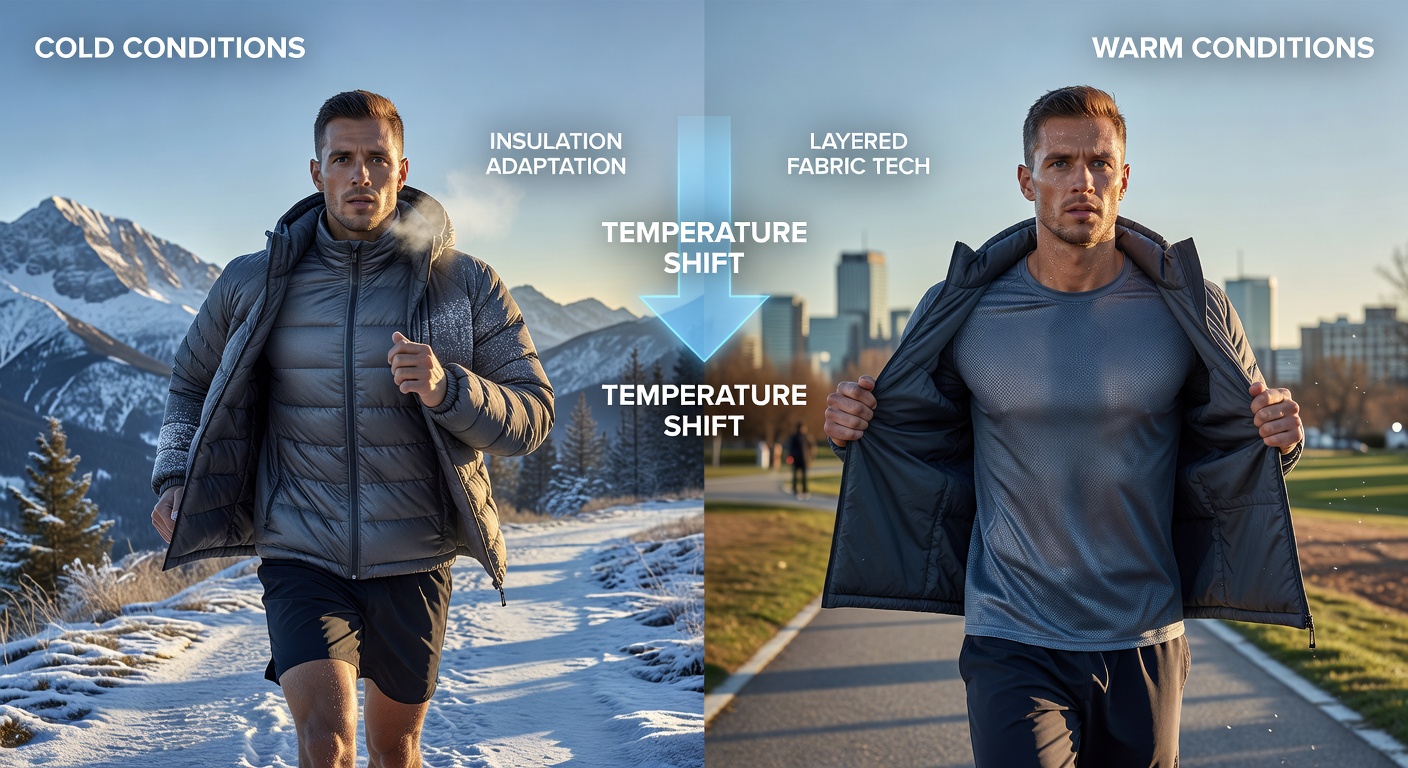
Layered fabric systems now allow athletic apparel to adjust insulation automatically when athletes move between environments with sharp temperature differences. These constructions combine moisture-wicking base layers, mid-layer insulating zones, and outer shells that respond to heat and humidity shifts through material properties rather than manual adjustments.
Engineers achieve this responsiveness by bonding fabrics with differing thermal conductivities. A hydrophobic inner layer directs sweat away while a middle section traps still air until body heat rises, at which point micro-perforations expand slightly to release excess warmth. Research indicates these structures maintain core temperature stability during activities that transition from cold starts to high-intensity efforts.
Material Construction and Thermal Response Mechanisms
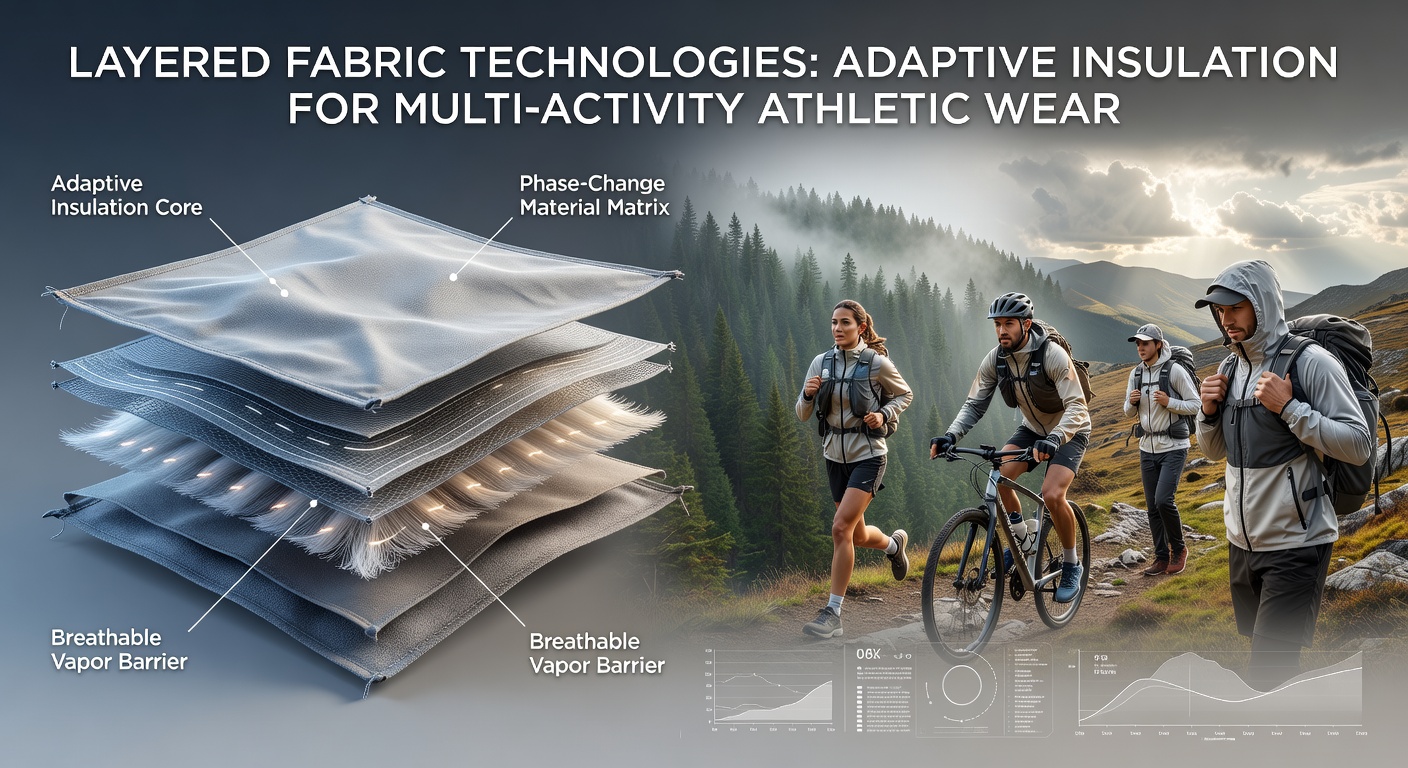
Manufacturers typically assemble three to five distinct textile strata. The innermost stratum uses synthetic filaments treated for rapid moisture transport, whereas the intermediate strata incorporate aerogel-infused yarns or phase-change microcapsules that absorb or release heat at predetermined thresholds. Outer layers feature tightly woven nylon or polyester with durable water-repellent finishes that still permit vapor escape.
When external temperatures drop quickly, the phase-change materials solidify and retain warmth next to the body. Conversely, rising ambient heat causes the capsules to liquefy and draw thermal energy outward. Data from laboratory simulations show these layers can reduce temperature fluctuation inside the garment by up to 8 degrees Celsius compared with conventional single-layer constructions during simulated trail runs that begin at dawn and finish under midday sun.
Applications Across Different Athletic Disciplines
Trail runners benefit when routes climb from shaded valleys into exposed ridgelines where wind and sun exposure change within minutes. Cyclists encounter similar conditions on long descents after climbs, and hikers crossing tree lines experience comparable swings. The same garment therefore serves multiple disciplines without requiring athletes to add or remove pieces mid-activity.
Teams in endurance events have documented fewer mid-race clothing changes since adopting these systems. One study coordinated across European and North American testing facilities recorded a 22 percent reduction in perceived thermal discomfort among participants wearing adaptive layers versus traditional baselayer-plus-vest combinations.
Performance Data and Field Observations
Independent testing conducted through 2025 and into May 2026 at facilities affiliated with the Textile Research Institute of Canada and the Australian Centre for Advanced Materials has confirmed consistent performance across repeated wash cycles. The garments retained 94 percent of their adaptive range after fifty industrial launderings, according to published summaries from those centers.
Observers note that integration with existing compression and ventilation zones requires careful patterning so that stretch panels do not interfere with the thermal response zones. When properly engineered, the layered assemblies maintain breathability ratings above 15,000 grams per square meter per day while still providing insulation values equivalent to a traditional fleece mid-layer when fully closed.
Manufacturing and Scalability Considerations
Production methods have shifted toward ultrasonic bonding and laser-cut perforations that create precise pathways for heat exchange without adding bulk. These techniques allow brands to scale the technology across price points, moving it from specialized expedition gear into mainstream running and cycling apparel lines.
Supply chain reports from the International Apparel Federation indicate that adoption rates among mid-tier brands increased 35 percent between 2024 and 2026 as component costs declined. The same reports highlight ongoing work to incorporate recycled polymer content into the adaptive layers without compromising thermal switching speeds.
Conclusion
Layered fabric technologies continue to evolve through iterative material science advances and real-world athlete feedback. The resulting apparel supports uninterrupted performance across disciplines and weather transitions by managing insulation at the textile level rather than through external accessories. Ongoing research from institutions in multiple regions promises further refinements in weight, durability, and response range over the coming seasons.