Innovative Sole Patterns Driving Basketball Agility on Indoor Surfaces
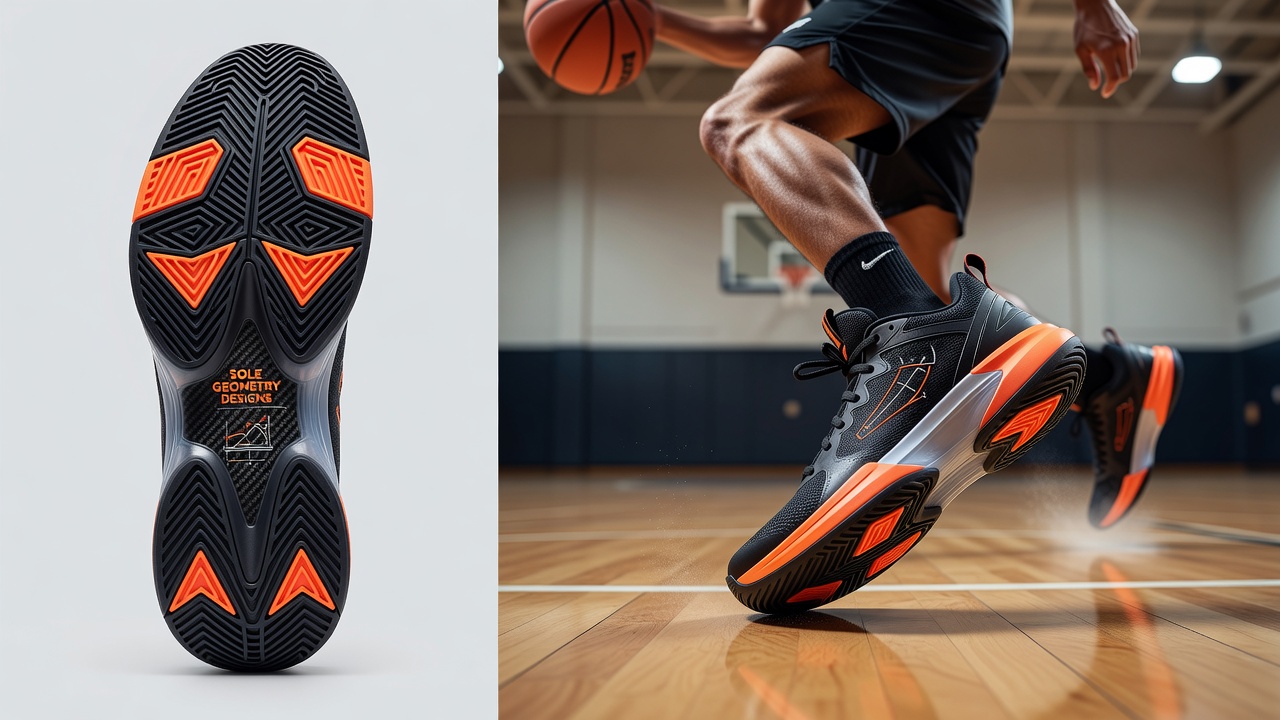
Designers shape basketball shoe outsoles with precise geometric configurations that deliver traction during rapid cuts, stops, and pivots on hardwood courts. These patterns work through specific arrangements of rubber lugs, channels, and flex zones that interact with smooth indoor surfaces to generate friction in multiple directions at once. Researchers at sports engineering labs have documented how such geometries reduce slip distances by measurable margins during lateral movements common in gameplay.
Core Elements of Outsole Geometry
Manufacturers employ herringbone arrangements, radial spokes, and segmented chevrons as foundational structures in many performance models. Herringbone designs feature interlocking V-shaped ridges that channel force across both forward and side-to-side vectors, while radial patterns radiate from the forefoot pivot point to support quick rotations. Segmented zones allow independent flex in the medial and lateral sections, which helps maintain contact when athletes shift weight suddenly. Data from biomechanical studies show these configurations increase peak shear force resistance compared with simpler linear treads.
Material Integration with Geometric Layouts
Compounds such as full-grain rubber and blown ethylene-vinyl acetate sit beneath the geometric surface to balance grip and durability. Softer rubber durometers in contact areas conform slightly to microscopic floor textures, whereas firmer compounds in structural ridges resist deformation during high-load cuts. Engineers position these materials according to wear-mapping data collected from professional athletes, placing higher-abrasion compounds in the forefoot and heel zones where directional changes concentrate pressure. This layered approach extends outsole life while preserving the intended traction profile throughout a season.
Mechanics of Quick Directional Changes
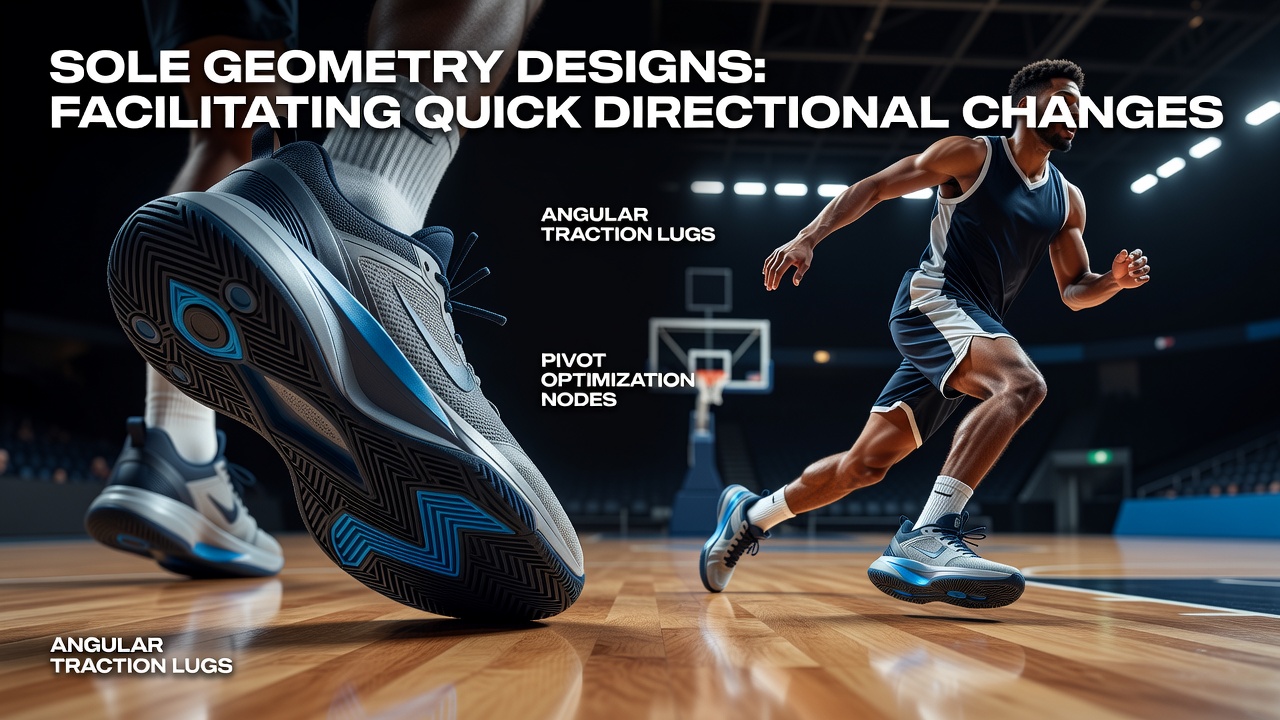
During a crossover dribble or defensive slide, the foot applies force at angles often exceeding 45 degrees relative to the body's forward path. Sole geometries counteract this by creating multiple edge surfaces that bite into the floor at complementary angles, converting lateral momentum into controlled deceleration. Channels between lugs evacuate dust and moisture that otherwise reduce coefficient of friction, and flex notches prevent the sole from locking rigidly, which could transmit excessive torque to the ankle. Observers note that athletes wearing shoes with optimized patterns complete change-of-direction drills in shorter times than those using generic outsoles, according to timed performance trials conducted by university kinesiology departments.
Testing Protocols and Performance Metrics
Standardized laboratory tests measure traction using force plates and motion-capture systems that record ground reaction forces during simulated cutting maneuvers. These protocols, refined by research groups across North America and Europe, quantify peak torque values and slip angles under controlled loads. Findings indicate that shoes incorporating hybrid radial-herringbone layouts sustain higher lateral friction coefficients on polished maple than those with uniform diamond patterns. As of June 2026, several professional leagues continue to reference updated testing guidelines when approving footwear for competition use.
Additional variables such as court maintenance schedules and player body mass influence real-world outcomes, prompting brands to run iterative field trials alongside lab work. Teams collect wear data from multiple surfaces to refine lug heights and spacing, ensuring consistent performance across different arena conditions. One study released by an Australian sports institute compared three sole geometries across 200 cutting repetitions and reported statistically significant reductions in required stopping distance for the most complex multidirectional pattern.
Conclusion
Sole geometry remains a primary factor in how basketball footwear supports rapid directional changes on indoor courts. Through targeted placement of ridges, channels, and material zones, designers achieve measurable improvements in traction and stability that align with the demands of competitive play. Continued refinement based on biomechanical data and standardized testing ensures these designs evolve alongside athlete requirements and surface standards.