Modular Tension Calibration Transforms Hybrid Training Rigs for Multi-Sport Athletes
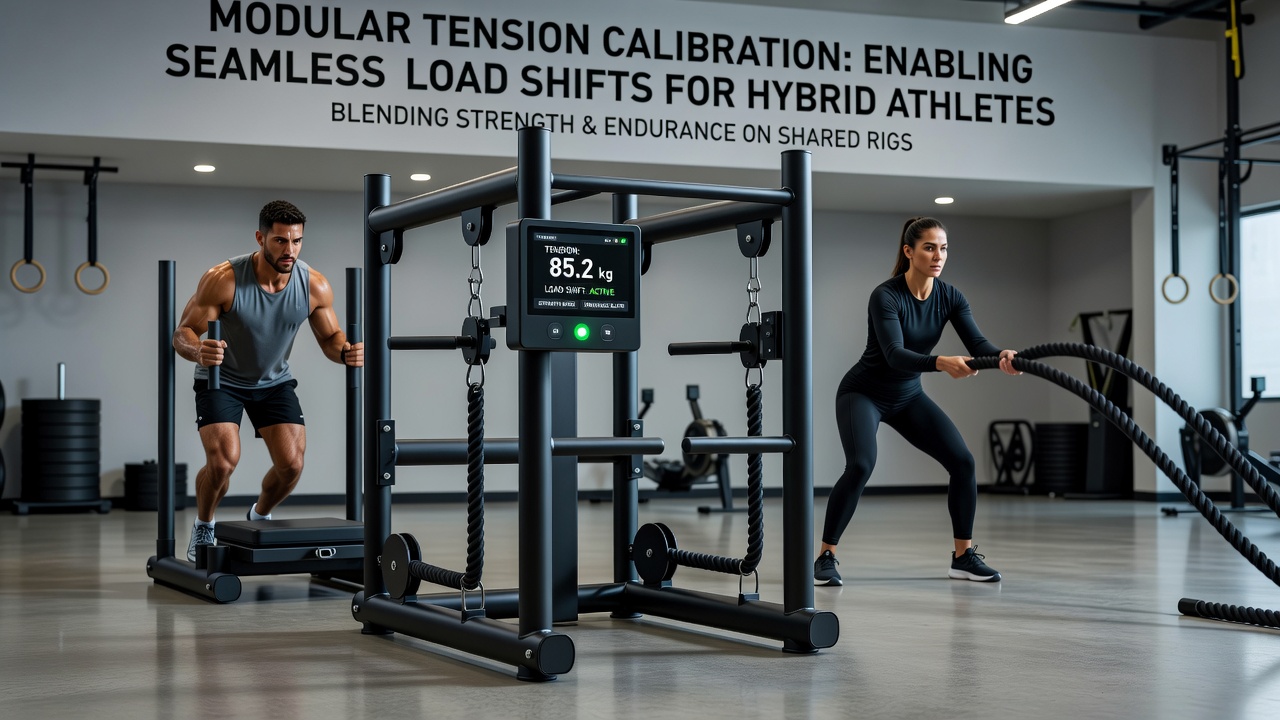
Athletes who combine strength work with endurance drills on the same equipment rely on systems that adjust loads without interrupting flow, and modular tension calibration makes those transitions possible through precise mechanical adjustments. Facilities worldwide have adopted these rigs because they support rapid changes in resistance while maintaining structural integrity across different exercise modes.
Core Components of Modular Tension Systems
Hybrid training rigs incorporate interchangeable modules that measure and apply tension through calibrated sensors and adjustable pulleys, allowing users to shift from high-load squats to lighter resistance intervals for running simulations. Engineers design these modules with standardized connectors so that one rig can accommodate multiple attachments without requiring full disassembly, which reduces setup time during sessions that alternate between power output and sustained cardio efforts.
Research from the Australian Institute of Sport shows that calibrated tension modules maintain accuracy within two percent across repeated uses, and this consistency supports athletes who track progress over weeks of mixed training. Facilities in Europe have integrated similar systems into group classes where participants move between stations, and the modular design ensures each station resets quickly for the next user.
Load Shifting Mechanics During Sessions
When an athlete finishes a set of weighted pulls, the rig's tension module releases pressure through a controlled hydraulic or electromagnetic release, then recalibrates for a lower load suitable for endurance repetitions. This process happens in under ten seconds, which keeps heart rates elevated and maintains workout momentum without the need to switch machines entirely.
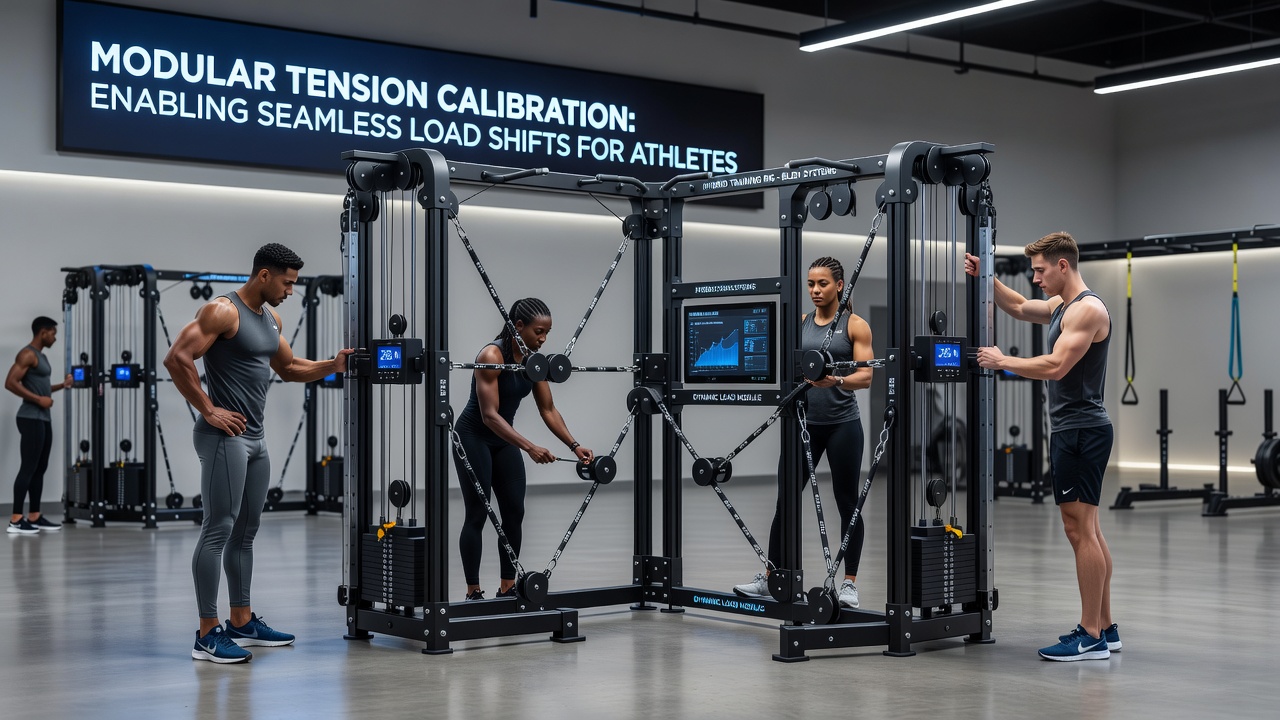
Observers note that shared equipment in university gyms benefits most from these features because multiple users with different programs can access the same station throughout the day. Data collected at Canadian training centers indicates that modular rigs cut equipment changeover time by thirty-five percent compared with traditional fixed-resistance setups, and this efficiency allows more athletes to complete combined sessions in limited facility hours.
Applications Across Athlete Groups
Team sports players use these rigs to blend heavy lifts with agility drills on one platform, while endurance specialists adjust modules for hill simulation runs followed by core strength holds. The calibration software logs each tension setting automatically, which creates records that coaches review to match loads with individual recovery patterns and competition schedules.
Studies conducted at Loughborough University have examined how seamless load shifts affect neuromuscular fatigue, and findings reveal that athletes maintain better form when they avoid stopping to reconfigure equipment between exercise types. In July 2026 several international federations plan to release updated guidelines on hybrid rig standards that incorporate tension calibration benchmarks for safety and performance tracking.
Maintenance and Calibration Protocols
Regular checks involve verifying sensor readings against known weights, and facilities schedule these verifications weekly to prevent drift that could affect training outcomes. Technicians replace worn modules during off-peak hours so that daily users encounter reliable performance each time they step onto the rig.
Industry reports from the International Association of Sports Engineering document that rigs with modular tension features last longer when users follow manufacturer protocols for lubrication and sensor cleaning, and these practices extend equipment lifespan while preserving calibration accuracy.
Conclusion
Modular tension calibration continues to shape how shared training equipment serves athletes who blend strength and endurance work, and ongoing refinements in sensor technology point toward even faster adjustments in future models. Facilities that implement these systems report higher utilization rates because the rigs accommodate varied programs without extensive reconfiguration. As standards evolve through 2026, data from multiple regions will guide further developments in load management for multi-discipline training environments.