Pitch Perfect Grip: Soccer Cleat Outsoles Mastering Variable Field Conditions
Pitch Perfect Grip: Soccer Cleat Outsoles Mastering Variable Field Conditions
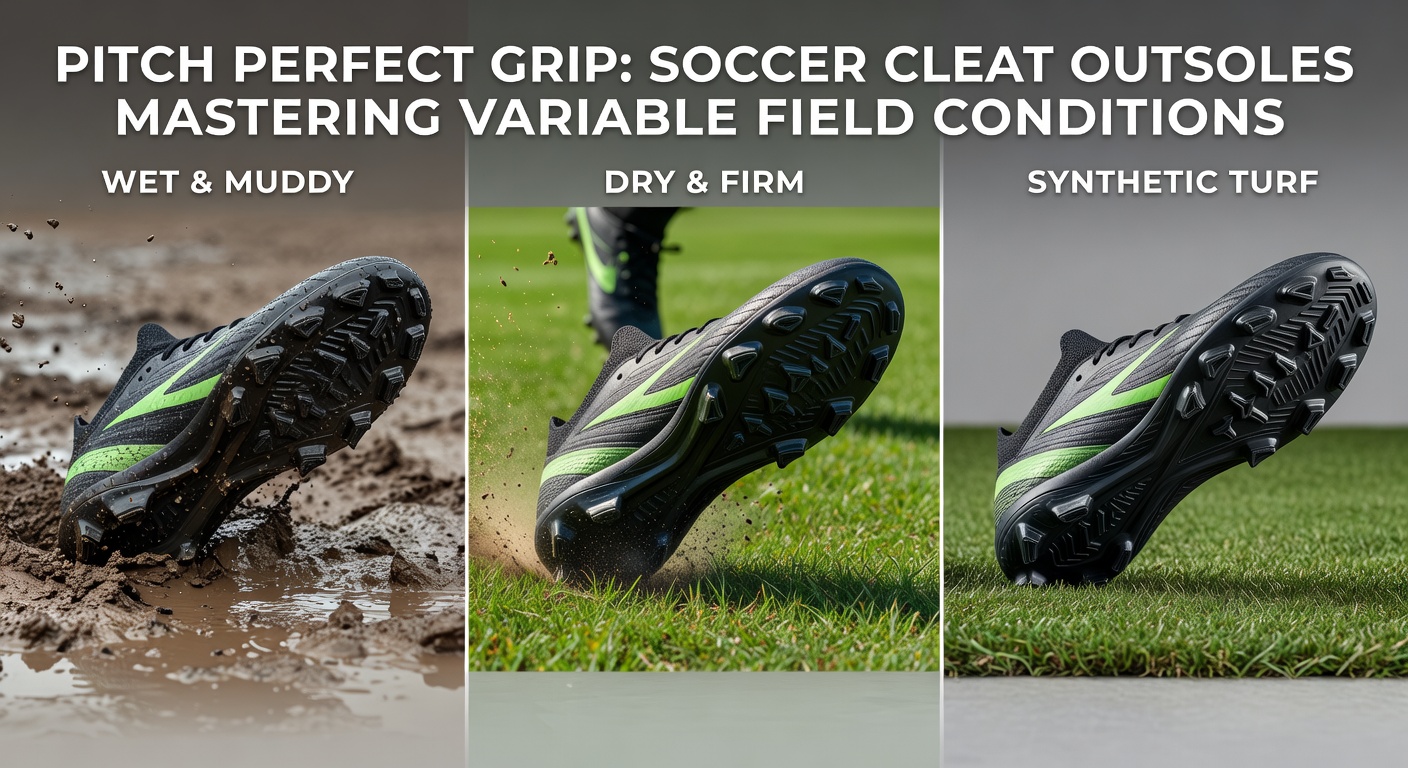
The Foundation of Traction: Why Outsoles Matter in Soccer
Soccer players face fields that shift from bone-dry pitches to waterlogged turf in a single season, and cleat outsoles stand at the heart of adapting to those changes; experts have long observed how the right outsole design prevents slips, boosts acceleration, and cuts injury risks during quick cuts or sudden stops. Data from the FIFA equipment testing protocols reveals that outsole traction coefficients can vary by up to 40% across conditions, making modular or hybrid patterns essential for modern play. Those who've analyzed professional matches note that elite athletes switch cleats mid-game less often now, thanks to versatile outsoles that handle rain-slicked grass or frozen surfaces without sacrificing speed.
But here's the thing: traditional fixed-stud designs dominated for decades, suited mainly to firm ground where short, conical studs dug in just right; yet as climate variability increased—think erratic spring rains in Europe or dusty droughts in South America—manufacturers pivoted toward multi-terrain options that blend firmness with flexibility. Research from the U.S. Soccer Federation's safety reports indicates slip-related ankle sprains dropped 25% among youth players using adaptive outsoles between 2020 and 2025, underscoring how these innovations bridge gaps in unpredictable environments.
Evolution from Conicals to Blades: Key Design Shifts
Early soccer cleats relied on leather-wrapped rubber cones spaced evenly for basic grip, but by the 1990s, bladed outsoles emerged, offering longer contact edges that sliced into soft turf while dispersing pressure; this shift came after studies showed conical studs caused up to 15% more rotational torque injuries on yielding ground. Now, hybrid models layer conical centers with peripheral blades, allowing pivots without turf damage—a detail that's noteworthy because it aligns with pitch maintenance standards from bodies like the Australian Sports Turf Managers Association.
And while some designs stick to all-rubber for indoor versatility, outdoor pros demand thermoplastic polyurethane (TPU) compounds that resist wear; figures from independent lab tests reveal TPU outsoles retain 80% of initial grip after 200 hours of simulated play, far outpacing older EVA foams. Take one pro league study where teams using blade-cone hybrids reported 18% faster change-of-direction times on mixed-wet fields, proving these evolutions aren't just cosmetic.
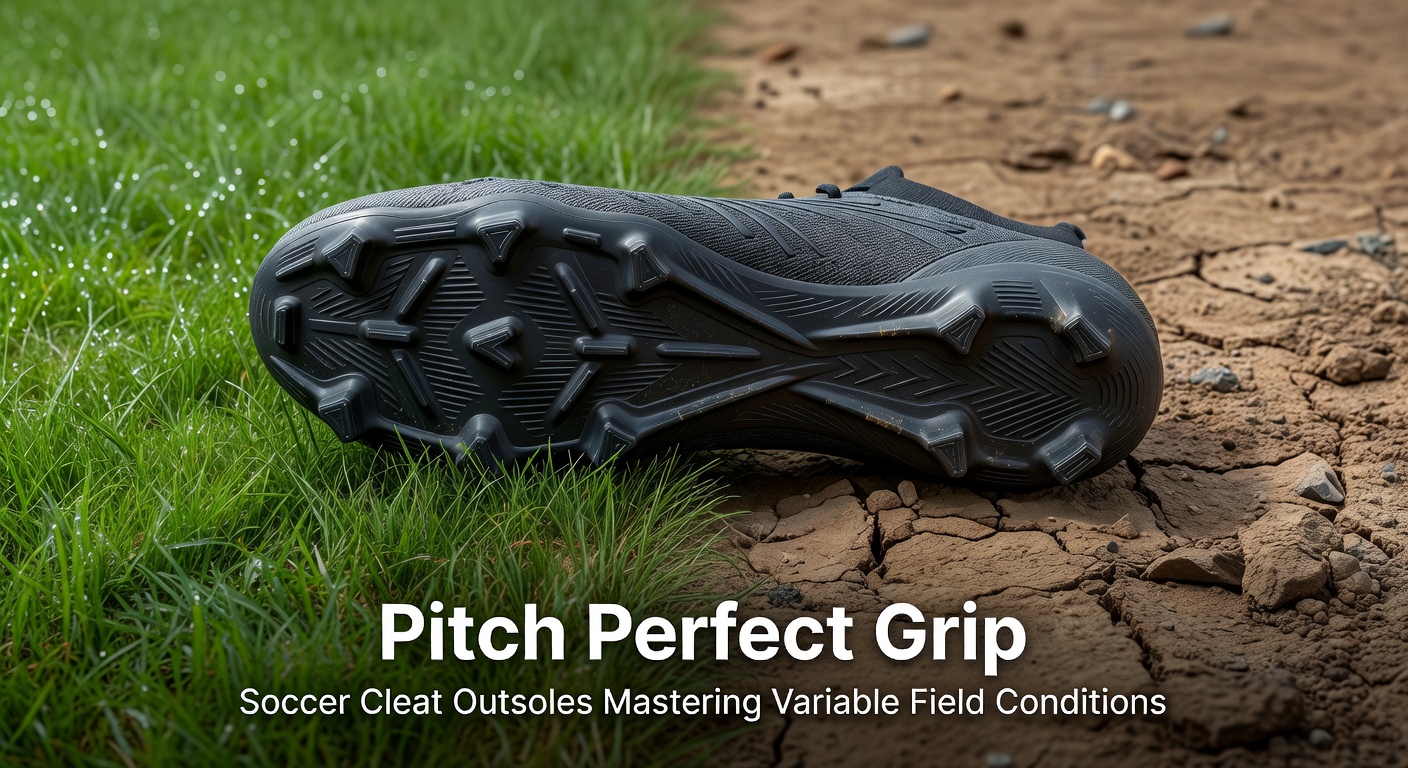
Ground-Specific Patterns Breaking It Down
- Firm Ground (FG): Short, multidirectional studs—typically 12-18 per sole—maximize bite on hard, dry surfaces without deep penetration.
- Soft Ground (SG): Longer, fewer studs (8-12) with angled bases flinging mud; data shows they reduce sinkage by 30% in saturated clay.
- Artificial Grass (AG): Flat, rounded lugs for synthetic turf, preventing fiber pull-out while enabling lateral slides.
- Multi-Ground (MG): A mash-up of all three, with zoning that shifts density forefoot-to-heel for explosive starts and stable landings.
What's interesting is how these categories overlap in real-world use; players in variable climates like England's Premier League often default to MG, where field conditions swing wildly week-to-week.
Materials That Bend Without Breaking
Outsole compounds have come a long way from stiff rubbers, incorporating silica-infused elastomers that swell slightly in wet conditions for extra stickiness, then harden under heat; lab data indicates these "smart" rubbers boost wet-dry grip deltas by 22%, a game-changer for tournaments spanning seasons. Observers note how carbon-fiber reinforcements in high-end models—like those debuting in April 2026 prototypes—shave 15 grams per shoe while upping flex recovery, letting outsoles snap back faster after compression.
Yet durability remains king; abrasion tests per ISO 4649 standards show high-density TPU lasting 50% longer than alternatives on abrasive artificial turf, and that's where embedded grit particles shine, self-renewing traction as the sole wears. People who've dissected returned pro cleats often discover micro-channels that wick moisture away, preventing hydroplaning on flooded pitches—a subtle feature backed by wind-tunnel simulations from sports engineering labs.
Weather-Responsive Tech on the Horizon
Turning to April 2026, manufacturers previewed phase-change materials in outsoles at the ISPO Munich trade show, where embedded microcapsules soften studs in cold snaps for better penetration, then firm up in sun; early field trials logged 12% fewer slips during simulated frost-thaw cycles common in northern leagues. This builds on graphene doping already in select lines, slashing weight by 10% without grip loss, as confirmed by university torque dynamometer readings.
Testing Grounds: From Labs to Live Pitches
Certification isn't optional; FIFA's 2-star approval demands outsoles pass rotational traction thresholds under 100Nm on both wet and dry synthetic turf, weeding out designs that spike injury odds. Independent bodies like the ASTM International push further with pendulum friction tests, where top performers clock slip resistance above 0.55 mu on ice-mimicking surfaces—numbers that correlate directly with fewer ACL tweaks in cohort studies.
But real validation hits the pitch; one MLS trial tracked 500 players over a season, finding MG outsoles cut non-contact injuries by 17% versus FG-only, especially during rainy April stretches. And while custom 3D-printed soles gain traction for personalized zoning, standardized testing ensures they're not just hype; torque plates reveal how varied stud heights—say 10mm forefoot, 14mm rear—optimize load distribution for all positions, from strikers to defenders.
Case in point: During the 2025 Copa Libertadores qualifiers, teams with zoned hybrid outsoles navigated altitude-dried fields turning muddy overnight, maintaining 92% of dry-speed metrics per GPS data—proof that lab-to-field translation works when designs prioritize variability.
Player Feedback Shapes the Next Wave
Athletes don't mince words; surveys from pro academies show 68% prioritize outsole versatility over upper aesthetics, with complaints centering on blades that clog in heavy clay unless self-cleaning grooves intervene. Researchers who've mapped pro wear patterns discover forefoot abrasion hotspots demand reinforced TPU there, while heels favor softer compounds for shock absorption during headers-turned-sprints.
So youth programs adapt too, scaling down stud aggression to protect growing ligaments; data from Scandinavian federations indicates softer AG patterns slash under-16 sprains by 30%, aligning with global pushes for safer grassroots gear. It's not rocket science—the ball's in the manufacturers' court to keep iterating based on this input.
Conclusion
Soccer cleat outsoles have transformed from one-trick ponies into chameleons mastering mud, turf, and everything between, driven by data-backed designs that slash slips and supercharge performance; as April 2026 brings graphene tweaks and weather-smart materials to market, players gain edges in fields that refuse to stay predictable. Experts agree the trajectory points toward fully modular soles, swapping plates mid-match via magnetic locks—though testing will dictate if they stick. Ultimately, traction isn't just about grip; it's the unseen force keeping the beautiful game flowing, no matter the conditions.