Precision Resistance Calibrations in Stationary Bikes Support Targeted Muscle Recruitment for Cyclists Shifting Between Road and Indoor Training
Quinn Otto · May 23, 2026
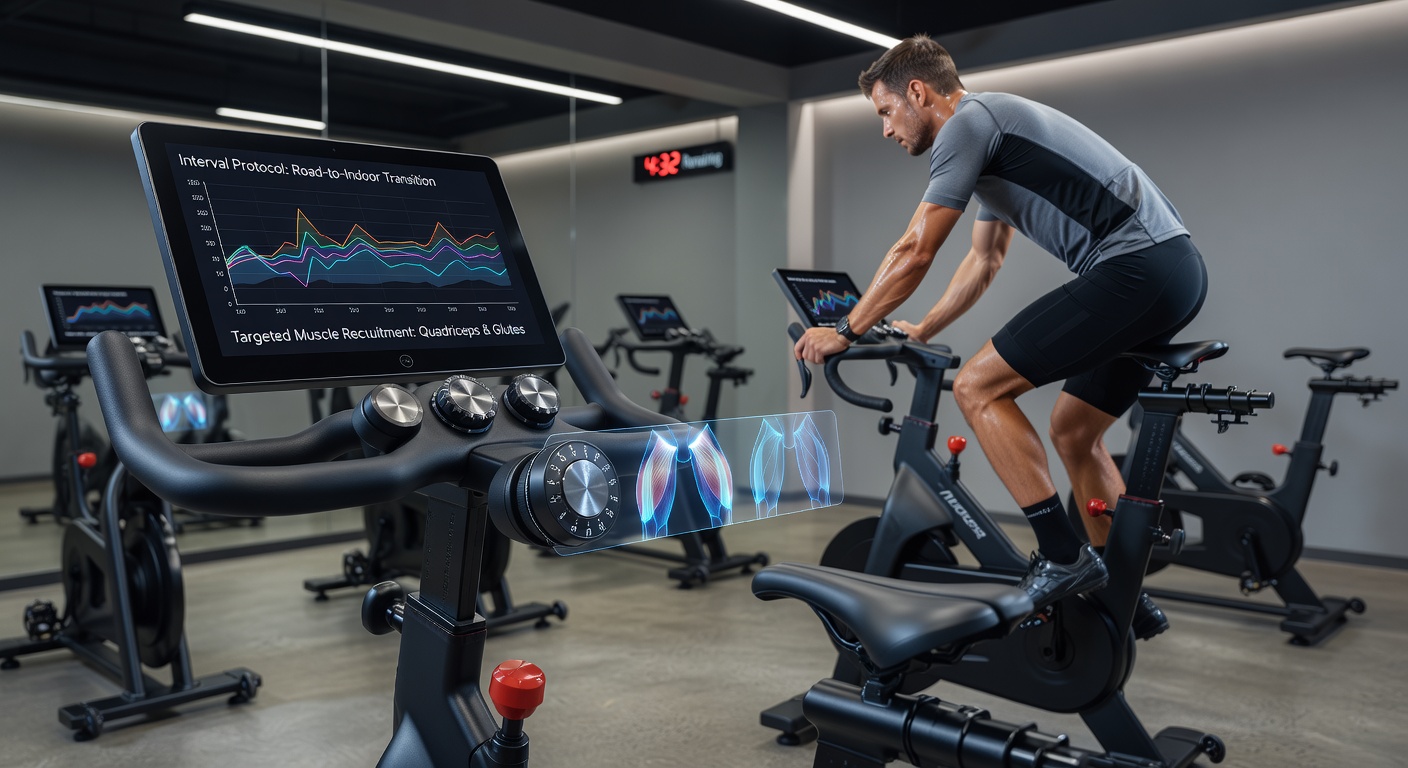
Precision Resistance Calibrations in Stationary Bikes Support Targeted Muscle Recruitment for Cyclists Shifting Between Road and Indoor Training
Cyclists moving from outdoor roads to indoor setups encounter shifts in terrain simulation and power demands, yet adjustable resistance calibrations on stationary bikes allow precise control over these variables so that muscle groups activate in patterns that mirror road conditions. These systems measure power output in watts while altering magnetic or mechanical drag to replicate climbs, flats, and sprints, which helps maintain consistent recruitment of quadriceps, hamstrings, and glutes across sessions.
Mechanics of Resistance Calibration Systems
Modern stationary bikes use electronic controllers that adjust flywheel resistance in small increments, often down to one watt or one percent, enabling riders to hit specific torque targets during intervals. Data from power meters integrated into these bikes shows how increasing resistance at a fixed cadence shifts load toward larger muscle fibers in the posterior chain, whereas lower settings favor faster twitch recruitment in the anterior legs during high-cadence efforts. Engineers calibrate these units against standardized protocols so that a 300-watt interval at 90 rpm produces repeatable force curves that align with outdoor pedal stroke measurements recorded on similar gradients.
Manufacturers incorporate strain gauges and servo motors that respond to rider input within milliseconds, and this responsiveness lets athletes execute protocols that alternate between endurance zones and threshold bursts without manual intervention. Observers note that such fine control reduces the variability seen in older friction-based systems, where resistance drifted during longer sessions and altered muscle firing sequences unexpectedly.
Interval Protocols and Muscle Recruitment Patterns
Interval training on calibrated bikes typically structures work periods around power zones derived from functional threshold tests, with resistance settings dialed to maintain those outputs while cadence varies. For example, a session might include five-minute efforts at 105 percent of threshold followed by recovery spins, and the resistance adjustment ensures that hip extensors bear the primary load during the sustained pushes while allowing quadriceps recovery on the easier segments. Research conducted at sports laboratories indicates that these targeted patterns improve neuromuscular efficiency over repeated exposures because the motor units learn to fire in sequences that transfer back to road pedaling mechanics.
Those who study cycling biomechanics have documented how combining resistance changes with cadence shifts recruits stabilizing muscles in the core and lower back that often stay underutilized on flat road rides. Protocols that incorporate standing climbs at high resistance activate the glutes and erector spinae more than seated efforts, creating balanced development that supports longer outdoor efforts. In May 2026, updated guidelines from the Australian Institute of Sport highlighted similar findings in their periodic training reviews, noting improved transition performance among athletes who used calibrated indoor sessions to maintain winter muscle balance.
Supporting Road-to-Indoor Transitions
Cyclists returning indoors after road seasons use these calibrations to replicate the variable resistances encountered on climbs and descents, which preserves the timing of muscle contractions that road surfaces naturally provide through gradient changes. Power data collected during outdoor rides gets imported into bike software so that resistance curves match recorded wattage profiles, allowing seamless replication of key segments like mountain repeats or time-trial efforts. This matching reduces the adaptation period when athletes return to roads in spring because the neuromuscular pathways stay conditioned without the variables of weather or traffic.
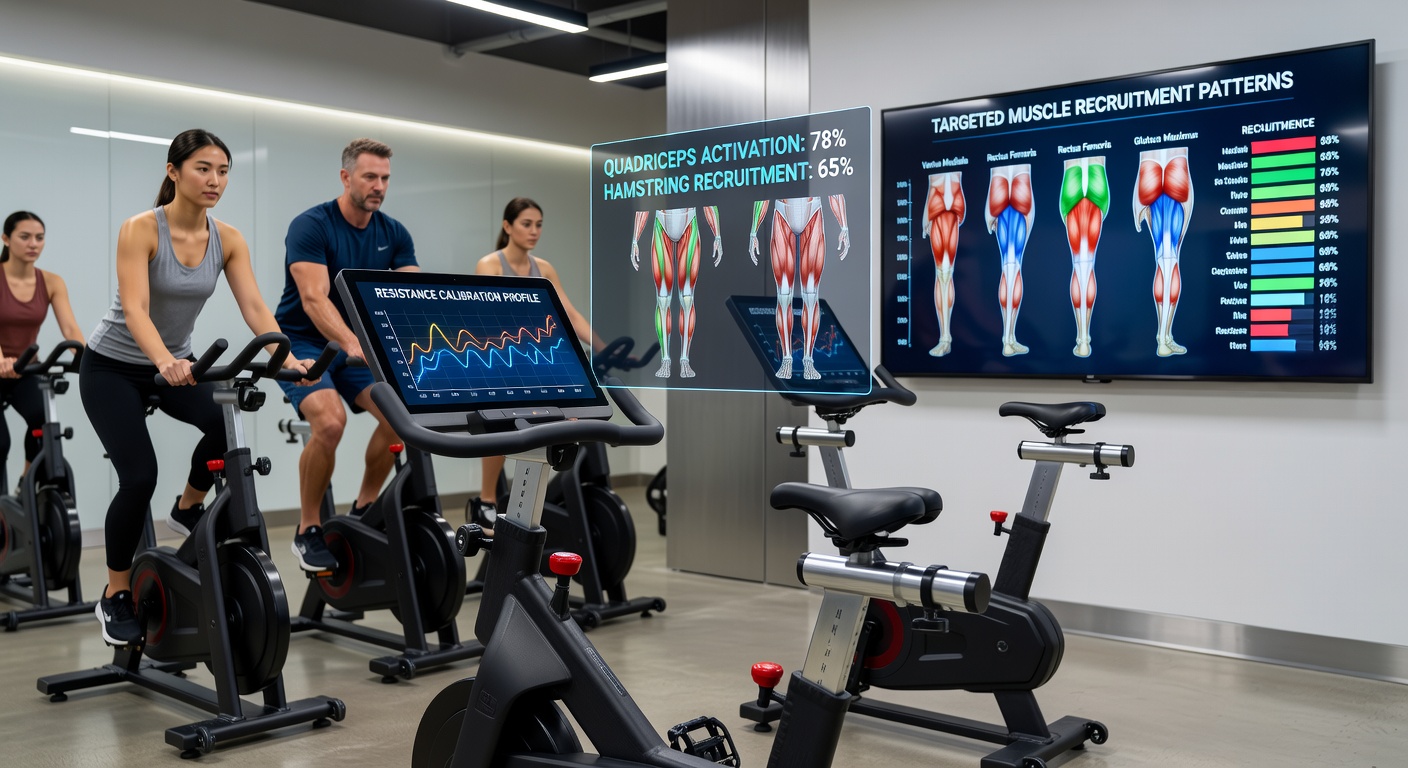
Coaches often program sessions that alternate between road-specific simulations and recovery intervals, and the resistance settings let riders focus on technique cues such as smooth power application through the bottom of the pedal stroke. Studies from the University of Calgary's human performance lab demonstrate that athletes who follow such matched protocols exhibit smaller drops in peak power output when switching environments compared with those using uncalibrated equipment. The result appears in consistent lactate thresholds and reduced perceived effort during the first outdoor races of the season.
Practical Considerations for Implementation
Setting up effective calibrations starts with establishing baseline power zones through field or lab testing, then mapping those zones to resistance levels that produce identical outputs on the indoor unit. Software platforms allow riders to save multiple profiles for different bike models or training focuses, while real-time feedback displays help maintain target muscle activation by monitoring cadence drift. Maintenance of calibration accuracy requires periodic verification against known loads, and facilities that follow manufacturer schedules report fewer discrepancies in session data over time.
Integrating heart rate and perceived exertion alongside power readings provides additional checks that the intended recruitment patterns are occurring, especially during longer interval blocks where fatigue alters biomechanics. Trainers note that combining these metrics prevents over-reliance on any single data stream and supports progressive overload without risking imbalances in muscle development.
Conclusion
Adjustable resistance features on stationary bikes deliver measurable control over training stimuli that directly influence muscle recruitment during interval work, and this precision proves valuable for cyclists who need consistent conditioning when moving between road and indoor environments. Continued refinements in sensor technology and protocol design keep these systems aligned with performance data gathered across multiple regions and research centers.