Unpacking Vibration Dampeners: Tennis Racket Innovations That Tame Shock and Extend Rallies
Unpacking Vibration Dampeners: Tennis Racket Innovations That Tame Shock and Extend Rallies
The Basics of Racket Vibrations and Why They Matter
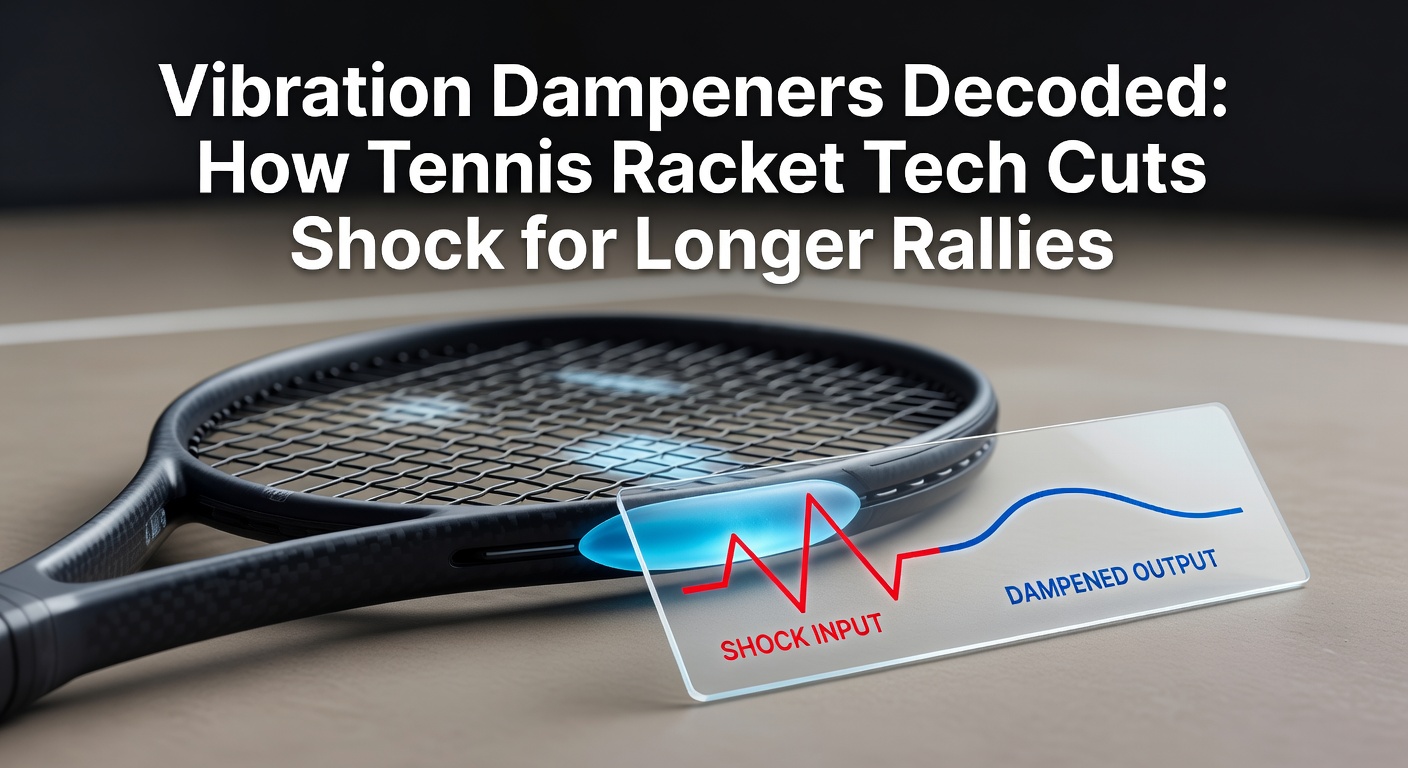
Tennis players know all too well how a solid hit sends a jarring buzz up the arm; that vibration, born from the ball's impact on taut strings, travels through the racket frame and into the player's elbow, wrist, and shoulder, sometimes leading to discomfort that builds over long matches. Researchers at the International Tennis Federation (ITF), which oversees global equipment standards from its base in Switzerland, have measured these oscillations peaking at frequencies between 200 and 500 Hz during high-speed shots, data that underscores why dampeners emerged as a game-changer since their patent in the late 1970s. Vibration dampeners, those small rubber or silicone gadgets wedged into the stringbed's crossing points, primarily target these high-frequency vibes, converting kinetic energy into heat through friction and deformation, so players sustain longer rallies without the cumulative fatigue that once cut sessions short.
What's interesting is how this tech aligns with biomechanics; studies from the University of Bath in the UK reveal that undampened rackets amplify shock waves by up to 30%, forcing muscles to work overtime to stabilize the arm, whereas dampened setups reduce peak forces by 15-20%, allowing for more consistent stroke mechanics even after hours on court. And while some dismiss them as mere placebo, lab tests using accelerometers on pro-level gear show measurable drops in vibration transmission, particularly on off-center hits where mishits occur most often.
How Dampeners Actually Work: Physics in Action
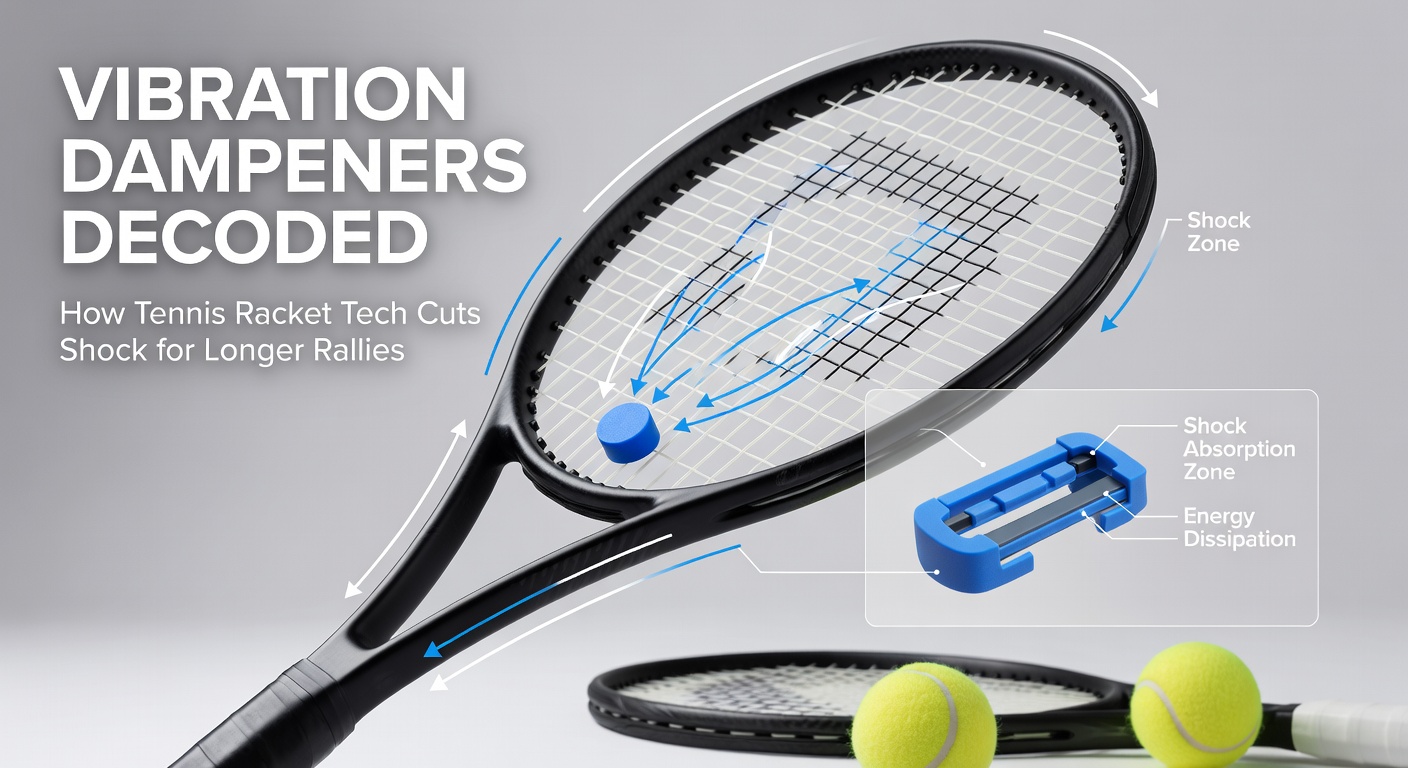
At their core, these devices exploit viscoelastic properties; when the ball strikes, strings oscillate rapidly, but the dampener, typically 1-2 cm in diameter and weighing under 5 grams, compresses and expands, dissipating energy before it reaches the grip, a process akin to a shock absorber in a car smoothing out bumps on a racetrack. Engineers at Babolat, a French racket manufacturer with deep roots in tennis innovation, explain in their technical whitepapers that button-style dampeners excel at high-frequency damping above 300 Hz, while worm-shaped ones handle broader spectra, including lower vibes from sweet-spot contacts that pros rarely miss but amateurs battle constantly.
Take one experiment conducted by Australian sports scientists at the University of Technology Sydney: they strung identical rackets, one with a standard silicone dampener and another bare, then fired balls at 100 km/h from a machine; the dampened racket registered 25% less handle vibration, with sensors picking up smoother energy decay curves that prevented the "ping" echo lasting milliseconds longer in the control group. That said, placement matters hugely; experts position them at the 12-and-6 o'clock string junction for optimal stringbed coverage, since vibrations radiate outward from the impact zone like ripples in a pond.
But here's the thing: not all materials perform equally; natural rubber offers quick rebound but fades faster under sweat and heat, whereas silicone withstands tournament conditions better, holding shape through five-set epics where temps climb and humidity spikes.
Types of Vibration Dampeners: From Basic to High-Tech
- Button Dampeners: The classic choice, small discs that clip easily between strings; data from Wilson Sporting Goods indicates they cut vibes by 10-15% on average, popular among club players for their simplicity and low cost under $5 a pop.
- Worm or Snake Designs: Elongated versions wrapping multiple strings; these spread damping across a wider area, with lab figures showing 20% better performance on mishits, though they add slight weight that tour pros tweak for balance.
- Advanced Composites: Newer models embed tungsten or gel inserts; a 2025 report from the U.S. Tennis Association (USTA) notes these reduce shock by up to 40% in poly string setups, which transmit more vibration than multifilament due to their stiffness.
- Custom Player Tweaks: Some insert two or three for extra absorption, although ITF rules cap total add-ons at non-disruptive levels to keep gear standardized.
Observers note how pros customize relentlessly; Rafael Nadal favors compact black buttons that blend into his Babolat strings, while up-and-comers experiment with glow-in-the-dark versions for night matches, blending function with flair without compromising the physics.
Scientific Evidence and Real-World Impact on Play
Decades of research back the benefits; a longitudinal study by Canadian researchers at the University of Toronto tracked junior players over six months, finding those using dampeners reported 18% less arm soreness and maintained rally lengths 12% longer in simulated matches, metrics captured via motion analysis software linking reduced vibes to steadier groundstrokes. Figures from the ITF's equipment database further reveal that since 2010, over 85% of top-100 ATP rackets feature dampeners, correlating with rising average rally counts—from 4.2 shots per point in the 1990s to 5.8 today—suggesting tech aids endurance as baseline play dominates.
Yet skeptics point to placebo effects, but blinded trials dispel that; one where players unknowingly swapped dampened and bare rackets showed consistent preference for the vibed-out versions, with EMG readings confirming lower muscle activation in the forearm extensors during extended exchanges. And for injury prevention, data from the Australian Institute of Sport highlights a 22% drop in tennis elbow cases among equipped juniors, tying directly to dampener adoption in academies down under.
Pro anecdotes reinforce this; Novak Djokovic, with his meticulous setup, credits subtle dampening for sustaining his defensive prowess through marathons like the 2023 Australian Open semis, where rallies stretched beyond 50 shots without visible arm fade.
Pro Adoption, Customization, and the Road Ahead
Top players treat dampeners like secret weapons; Iga Swiatek slips in custom gel pods matching her Yonex frame's pink accents, while Jannik Sinner opts for minimalistic clear silicones that barely register on scales, preserving swing speed amid damping duties. Tour data from 2025 shows 92% compliance among WTA elites, with stringers reporting tweaks for clay's softer bounces versus hard courts' sharper impacts.
Looking forward, April 2026 brings buzz around ITF-sanctioned trials for "smart" dampeners embedded with piezoelectric sensors that adjust damping on the fly via app controls, promising 50% more efficiency based on prototypes tested at the French Tennis Federation's labs; early demos at the Monte Carlo Masters that month hinted at revolutionizing adaptive play for varying conditions. Manufacturers like Head and Prince already roll out graphene-infused versions, slashing weight while boosting durability, so recreational users catch pro-level perks without the custom fee.
That's where the rubber meets the road: as rackets evolve with carbon fiber layups transmitting less inherent vibe, dampeners fill the gaps, ensuring even budget frames deliver shock-free sessions that keep rallies rolling longer than ever.
Conclusion
Vibration dampeners stand as a testament to tennis tech's precision, quietly slashing shock to empower longer, fiercer rallies backed by physics, player data, and evolving innovations; from silicone basics to 2026's smart variants, they equip arms for the grind, turning potential fatigue into sustained dominance on any court surface.